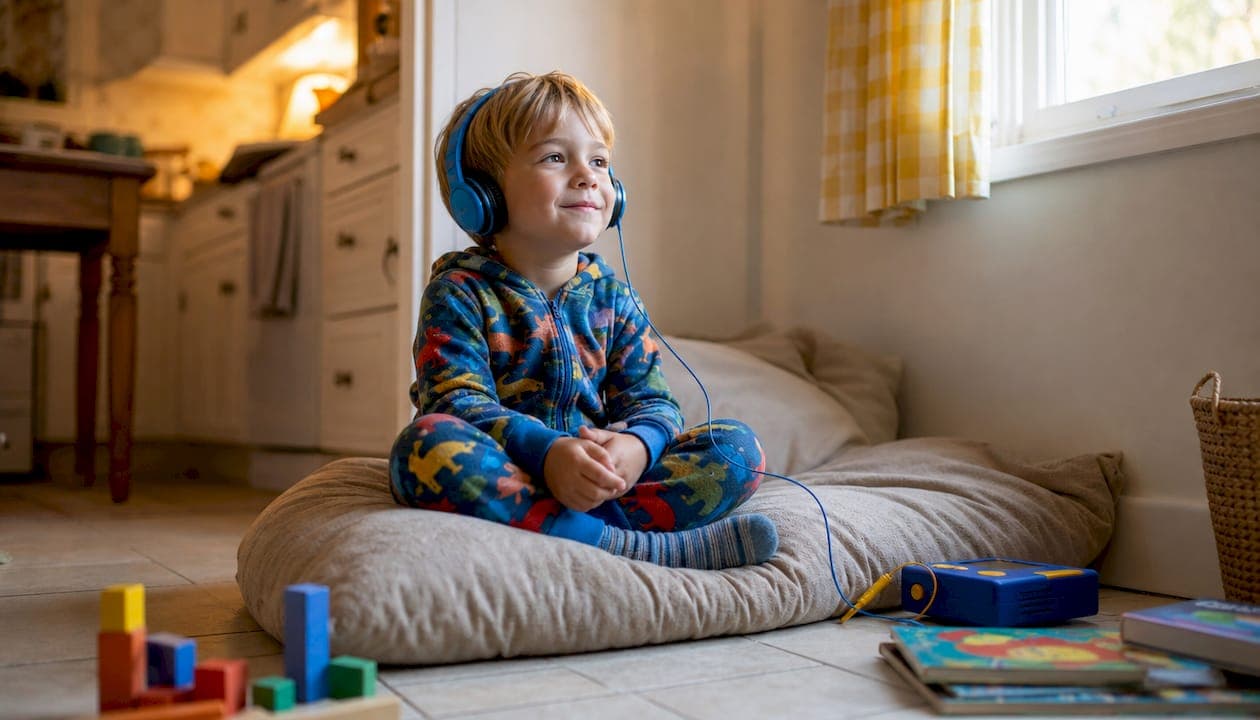
The best podcasts for preschoolers combine gentle storytelling, age-appropriate educational themes, and short episode lengths to build listening skills and spark imagination. Children's audio content, formally called preschool audio programming, has grown into one of the most effective screen-free learning tools available to parents today. The right show reaches a 3 to 5 year old where they are: curious, easily distracted, and hungry for stories that feel personal. Illinois parents driving the I-90 corridor or settling kids down after a busy Chicago day will find audio programming fits naturally into car rides, quiet time, and bedtime routines.
What are the key features to look for in podcasts for preschoolers?
The single most important feature in any preschool podcast is pacing. Slow-paced, calm shows hold preschool attention far better than loud, fast-moving content. Many popular children's audio shows have drifted toward overstimulation, which works against the focused listening preschoolers need to develop.
Episode length matters just as much. Educational podcasts for young children typically run 2 to 4 minutes for vocabulary and STEM content, while bedtime storytelling shows run 5 to 20 minutes. Matching episode length to the moment, short for morning routines, longer for winding down, makes a real difference in how well a child engages.
Content quality separates the best kids audio shows from filler. Look for these features when evaluating any show:
- Simple, clear language that a 3 to 5 year old can follow without adult translation
- Mild suspense and clear morals that keep children engaged without causing anxiety
- Educational themes covering vocabulary, early STEM concepts, and social-emotional skills
- Respectful, calm pacing rather than chaotic sound effects and rapid-fire dialogue
- Screen-free design that demands active listening rather than passive watching
Pro Tip: Before committing to a series, play one episode during a car ride and watch your child's body language. If they go quiet and lean in, the pacing is right for them.
Audio-only content gives children a screen-free experience that strengthens active listening, one of the most foundational communication skills in early childhood. Without visuals to rely on, preschoolers must build mental pictures from words and sound alone. That cognitive work pays off in language development and focus.
1. Brain Bites
Brain Bites delivers daily educational episodes in a tight 2 to 4 minute format built around vocabulary, STEM, and social-emotional topics. Each episode introduces one concept clearly and repeats it in different ways to reinforce retention. The brevity makes it ideal for breakfast routines or the short drive to preschool.
2. Stories for Kids: Bedtime Tales for Toddlers
This show targets children ages 2 to 5 with original bedtime stories that use mild suspense and clear moral takeaways. Episodes run 5 to 20 minutes, fitting naturally into a pre-sleep wind-down. The storytelling style is calm and warm, which helps children transition from active play to rest.
3. Snuggle Kids Bedtime Stories
Snuggle Kids focuses on comfort and routine. The show pairs soothing narration with gentle sound design to signal to children that sleep is coming. Establishing a consistent listening ritual with a show like this conditions children to associate the audio with relaxation, making bedtime transitions smoother over time. A subscription model with a 7-day free trial gives parents a low-risk way to test it.
4. Curious Kids Every Day
Curious Kids Every Day takes direct inspiration from classic, unhurried children's programming. The show avoids the overstimulation trap by keeping dialogue deliberate and sound effects minimal. It works especially well for quiet time at home, when a child needs something engaging but not activating.
5. What's Poppin' Penny?
Created by a former teacher, What's Poppin' Penny? brings multigenerational storytelling and strong representation to preschool audio. Podcasts with diverse perspectives contribute directly to emotional intelligence development by showing children characters and situations they recognize from their own lives. This show stands out for its warmth and its roots in real classroom experience.
6. Maddie + Triggs (BBC CBeebies Radio)
Maddie + Triggs comes from BBC CBeebies Radio and brings the production quality of public broadcasting to preschool audio. Audio storytelling at this level requires children to actively visualize scenes, which builds imagination and listening skills that visual media cannot replicate. The show is free to access and works well for families who want trusted, editorially vetted content.
7. Storytelling podcasts with moral themes
Beyond specific titles, an entire category of storytelling podcasts for preschoolers focuses on character-building through narrative. These shows typically feature a recurring cast of child characters navigating friendship, fairness, and problem-solving. The best examples in this category keep episodes under 15 minutes and end with a clear, discussable lesson. Illinois parents can use the post-episode car ride home as a natural conversation starter.
8. Nature and science audio shows
Several preschool audio programs center on the natural world, introducing concepts like animal behavior, weather, and the seasons in age-appropriate language. These shows pair well with outdoor time. A child who just heard an episode about migratory birds will look at the sky differently on a walk through a Chicago forest preserve.
9. Music-forward educational podcasts
Music-based shows use songs, rhythm, and repetition to teach letters, numbers, and social skills. Repetition is the primary learning mechanism for children ages 3 to 5, and music encodes information more durably than spoken word alone. These shows work particularly well for children who respond to rhythm before they respond to narrative.
10. Interactive call-and-response formats
Some of the most effective fun podcasts for young children use a call-and-response structure, pausing for the child to answer a question or repeat a phrase. This format transforms passive listening into active participation. Children who engage this way retain more from each episode and stay focused longer.
How podcast formats compare for preschool listening
Not every format works for every child or every moment. The table below maps common podcast formats to their key features so you can match the right show to your child's needs.
| Format | Episode length | Educational focus | Best listening moment |
|---|---|---|---|
| Daily micro-lesson | 2–4 minutes | Vocabulary, STEM, social skills | Morning routine, breakfast |
| Bedtime story | 5–20 minutes | Imagination, emotional themes | Pre-sleep wind-down |
| Music and rhythm | 5–15 minutes | Letters, numbers, repetition | Car rides, playtime |
| Call-and-response | 10–20 minutes | Active listening, language | Quiet time, afternoon rest |
| Nature and science | 8–15 minutes | Curiosity, world knowledge | After outdoor play |
Free access covers most of the shows listed here. Subscription models, typically offered with a 7-day free trial, unlock ad-free listening and bonus episodes. For families who listen daily, the ad-free experience matters more than the extra content. Ads interrupt the calm pacing that makes preschool audio effective.
The format choice also depends on your child's temperament. A high-energy child benefits most from the structure of a micro-lesson format in the morning. A child who struggles with sleep transitions responds better to a slow bedtime story. Matching format to moment is the practical skill that separates parents who get real value from audio programming from those who give up after two episodes.
How to build a podcast listening routine that actually sticks
Consistency is the mechanism that makes podcasts work for preschoolers. Ritualized listening times condition children to expect and welcome audio content at specific moments, which reduces resistance and increases engagement. Pick one or two anchor moments in your day and attach a podcast to them.
The three highest-value listening windows for preschoolers are bedtime, car rides, and quiet time after lunch. Bedtime works because children are already transitioning and receptive to calm input. Car rides work because the child is physically contained and has nothing else to focus on. Quiet time works because it replaces screen time with an equally engaging but cognitively richer alternative.
Shared listening between a parent and child transforms podcast time from background media into genuine family interaction. Sit with your child for at least the first few episodes of any new show. Ask one question after each episode: "What was your favorite part?" or "Why do you think the character did that?" Those two minutes of conversation double the educational value of the episode.
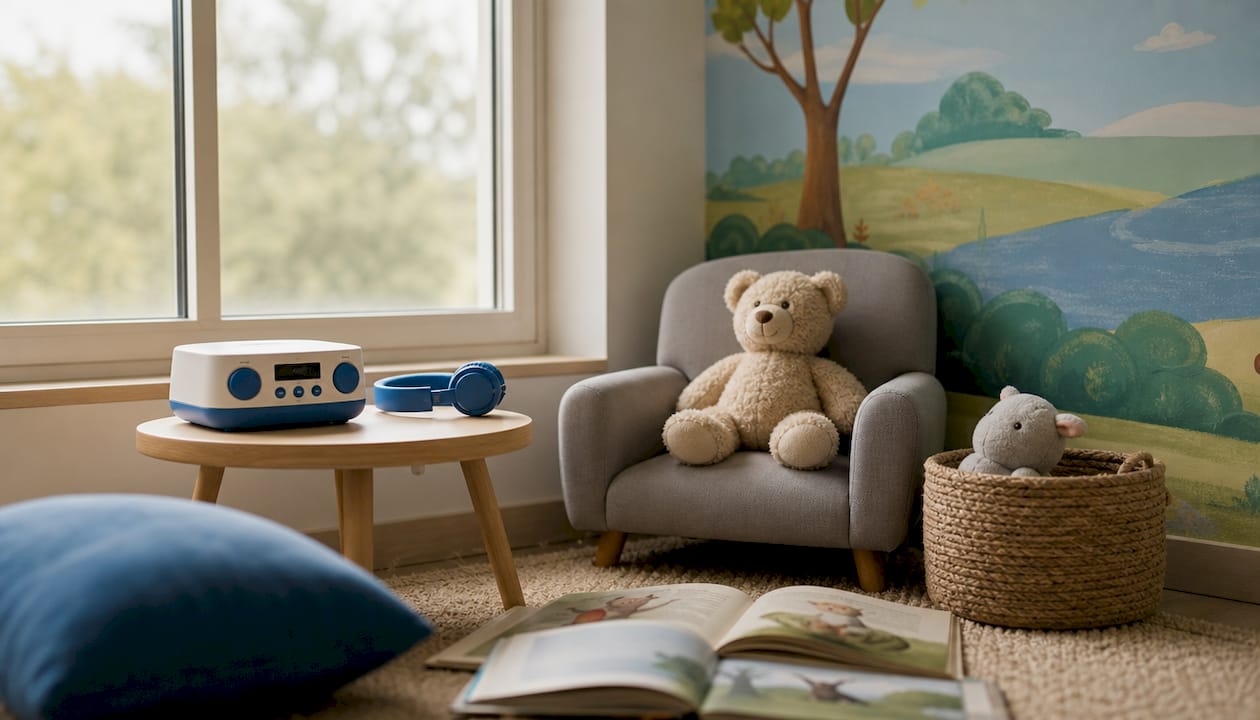
Pro Tip: Create a simple "podcast corner" in your home, a specific chair or blanket your child associates with listening time. The physical ritual reinforces the mental one and helps children settle faster.
Key takeaways
The best audio programming for preschoolers works because it matches episode length to attention span, keeps pacing calm, and gives children something to think about after the episode ends.
| Point | Details |
|---|---|
| Pacing determines engagement | Slow, calm shows hold preschool attention better than loud, fast-paced content. |
| Episode length should match the moment | Use 2–4 minute micro-lessons for mornings and 5–20 minute stories for bedtime. |
| Shared listening multiplies value | Listening together and asking one follow-up question doubles educational impact. |
| Routine beats variety | Consistent listening windows condition children to engage rather than resist. |
| Screen-free audio builds imagination | Audio-only content forces active visualization, strengthening listening and language skills. |
Why audio storytelling is the most underrated tool in your parenting kit
Parents often underestimate what a well-made podcast does to a preschooler's brain. I have watched children who resist sitting still for anything become completely absorbed by a calm, well-paced audio story. The absence of a screen is not a limitation. It is the feature.
What strikes me most is how quickly children develop a relationship with recurring audio characters. A child who hears the same narrator three mornings in a row starts to trust that voice. That trust lowers the emotional guard and opens the child to learning in a way that a one-off video never achieves. The audio-only format demands something from the child, and children rise to meet that demand.
The mistake I see Illinois parents make most often is treating podcasts as background noise. A podcast playing while a child plays with toys is not the same as a child sitting and listening. The educational benefit lives in the active listening, not the ambient sound. Sit down with your child. Make it a shared moment. The return on that small investment is real.
My honest recommendation: start with one show, one time slot, and one week of consistency before you evaluate whether it is working. Most parents quit too early because the child seems distracted in the first two episodes. That is normal. By episode four or five, most preschoolers are asking for it by name.
— JG
G45-hero-cast: where your child becomes the hero of the story
What if the podcast your child loves most is one where they are the main character? G45-hero-cast creates weekly customized superhero podcasts for children ages 4 to 9, delivered every Sunday to a private podcast feed. Each episode puts your child at the center of an original audio adventure, which means the engagement level is unlike anything a generic show can match.
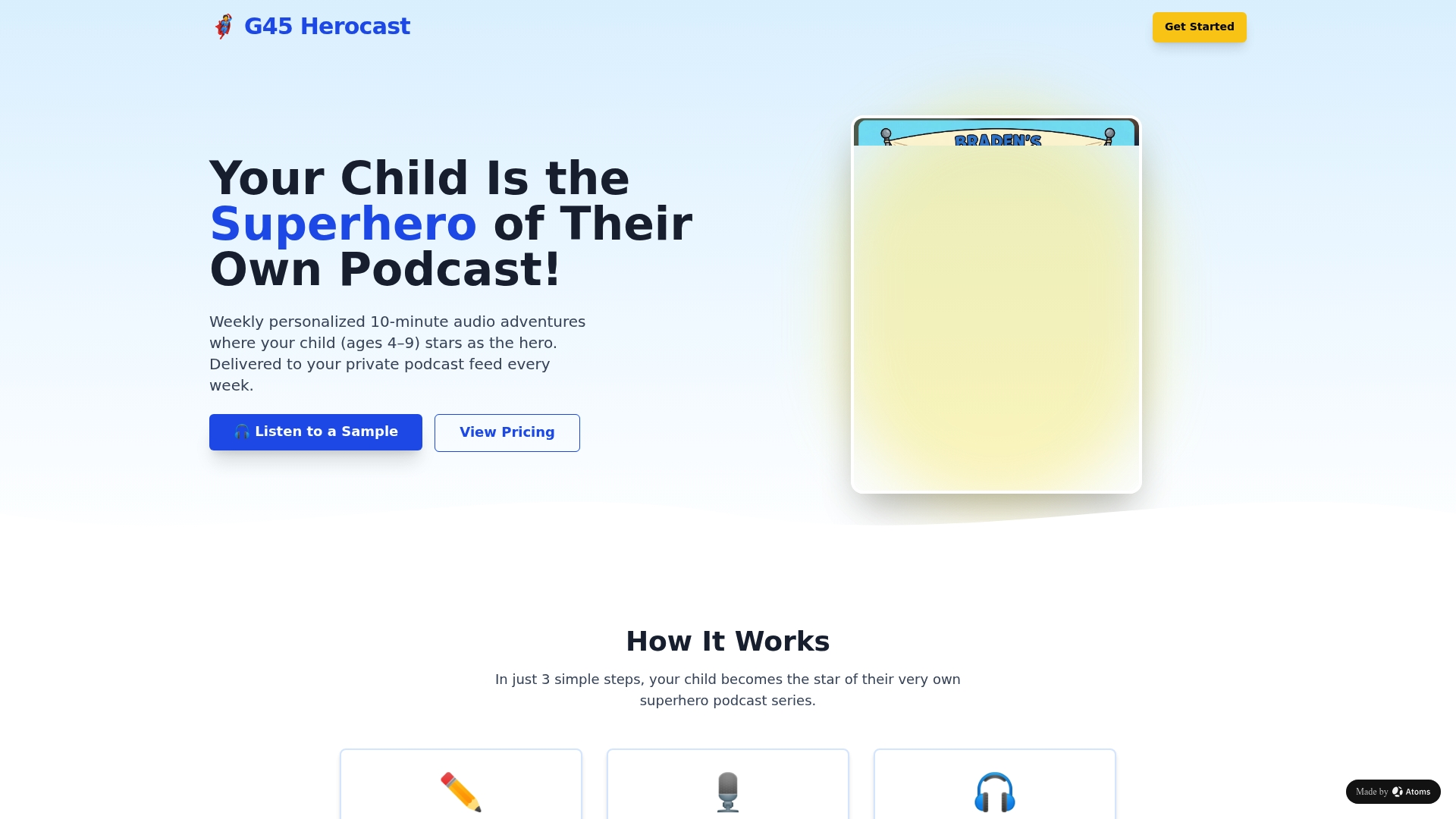
Subscriptions are available monthly or annually, and the format is designed to build family listening time into your week. Illinois families looking for a consistent Sunday ritual that children genuinely look forward to will find G45-hero-cast delivers exactly that. Visit G45-hero-cast to start your child's superhero audio story.
FAQ
What makes a podcast right for a 3 to 5 year old?
The right podcast for a preschooler uses simple language, calm pacing, and episodes under 20 minutes. Short formats between 2 and 4 minutes work best for educational content, while bedtime stories can run up to 20 minutes.
Are free podcasts good enough for preschoolers?
Free podcasts cover most of the best options available, including shows from BBC CBeebies Radio and several independent creators. Paid subscriptions typically add ad-free listening and bonus content, which matters most for daily listeners.
How do I get my preschooler to actually listen?
Consistency and shared listening are the two most effective tools. Pick one time slot, sit with your child for the first few episodes, and ask one question after each one. Most children become self-directed listeners within a week.
Can podcasts replace educational screen time?
Podcasts do not replace all screen time, but they offer a screen-free alternative that builds listening skills and imagination. Audio-only content requires active engagement from children, which makes it cognitively richer than passive video watching.
What is the best time of day for preschool podcast listening?
Bedtime, car rides, and quiet time after lunch are the three most effective windows. Each moment naturally supports the calm, focused listening that preschool audio programming requires.