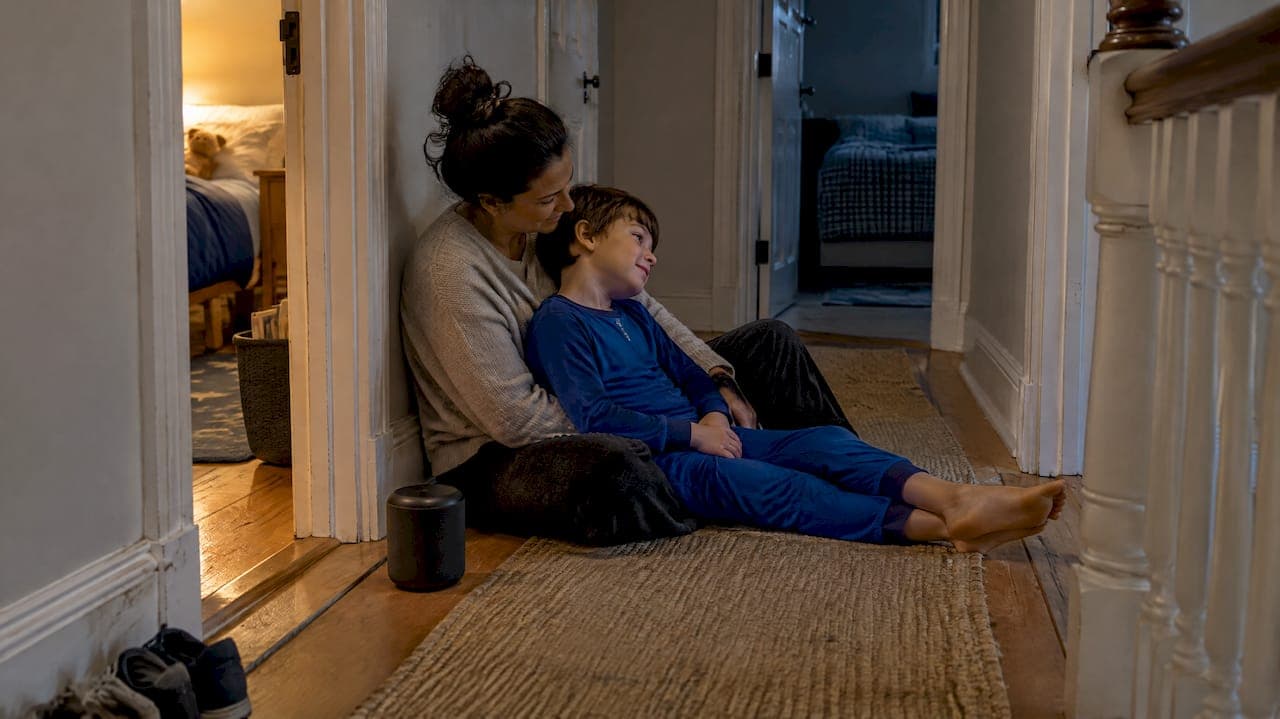
You can create a personalized superhero story in minutes using a template, or choose a weekly personalized audio podcast for ongoing, screen-free adventures. A DIY booklet or online print service works best for a one-time keepsake, an AI-assisted builder works when you want variety fast, and a service like G45 Herocast fits families who want recurring engagement without screens.
TL;DR:
- Personalized stories should focus on a clear goal, obstacle, and a clever use of the child's chosen power to ensure engagement and relatability.
- Creating a story with short, active sentences of 400 to 800 words or five to seven minutes of audio keeps it age-appropriate and easy to produce.
- Weekly audio episodes build ongoing relationships and require fully customized scripts, voice direction, and simple sound effects for effective production.
- Using AI tools requires deliberate creative input and detailed record-keeping to support copyright claims, as minimal prompting alone is insufficient.
- A single keepsake book is best for one-time gifts, while subscription services provide recurring engagement and habit formation for children's storytelling routines.
Table of Contents
- Four ways to create a personalized superhero story and when to pick each
- Step-by-step workflow to write a tight, age-appropriate superhero story
- Story maps, templates, and prompts you can copy right now
- Turning the story into a printed book, e-book, or audio episode
- Copyright and AI: what parents should know before using generative tools
- Research-backed tips for stories that actually help your child
- Why weekly personalized audio works differently, and when to choose it
- A quick do-and-don't checklist for parents
- Start a G45 Herocast subscription or send one as a gift
- FAQ
- Sources
Four ways to create a personalized superhero story and when to pick each
Picking the right method depends on what you actually want: a single memorable object, a fast gift, or something your child looks forward to every week.
- DIY booklet: You write and illustrate the story yourself, which gives full control over personalization and costs almost nothing beyond paper and time.
- Online custom-print services: You upload a photo and basic details, and a printer turns it into a hardcover or softcover keepsake within days.
- AI-assisted builders: You generate a story and illustrations quickly from a template, though you should check the service's terms before uploading a child's photo for commercial reuse.
- Personalized audio or podcast: You get a new screen-free episode delivered weekly, built around your child as the recurring hero, which suits families chasing habit and repeat listening rather than a single artifact.
A keepsake book answers the question "what do I hand my child tonight." A subscription answers a different question: "how do I keep this going every week without starting from scratch." Grandparents often lean toward the keepsake for a birthday, while parents building a bedtime routine tend to prefer the audio format because it removes the writing and editing work from their plate entirely.
Step-by-step workflow to write a tight, age-appropriate superhero story
A good personalized story does not need to be long. It needs to feel specific to your child and move cleanly from problem to resolution. This workflow works whether you are writing a short illustrated book or scripting a five to seven-minute audio episode.
- Collect the raw details: your child's name, age, a favorite animal or object, and one small true fact about them (a loose tooth, a new sibling, a fear of thunderstorms).
- Build the hero profile: decide on one power, a costume color or symbol, a sidekick (real pet or stuffed animal), and one small vulnerability that makes the hero relatable rather than invincible.
- Lay out the plot skeleton: a clear goal, one obstacle, a moment where the hero uses their power in a clever or unexpected way, a resolution, and a one-line takeaway.
- Write short, active, concrete sentences: aim for 400 to 800 words for a printed book or five to seven minutes of spoken narration.
- Edit for voice and safety: cut anything that could feel frightening rather than exciting, read the draft aloud, and adjust based on your child's reactions.
Keep the obstacle proportional to your child's age. A four-year-old's superhero might struggle with sharing a toy; a nine-year-old's hero can face a trickier moral choice, like deciding whether to reveal a secret to protect a friend. The mechanism matters more than the scale: the hero should solve the problem using their specific power, not luck or an adult's intervention.
Pro Tip: Write the ending first. Knowing exactly how the story resolves keeps the middle from wandering and makes the "clever use of power" moment easier to set up.
Story maps, templates, and prompts you can copy right now
A ten to fifteen-minute co-creation session works better with a visual structure than a blank page. Sketch three boxes labeled beginning, middle, and end, a format story maps use in classrooms to teach narrative structure, and fill them in together before writing a single sentence.
- Character sheet fields: name, physical look, one superpower, a sidekick or pet, and a favorite food or object to weave into the plot.
- Prompt bank for detail: ask your child what sound the power makes, what the villain's hideout smells like, and what action the hero takes first when trouble starts.
- Sample template one: "[Name] was just an ordinary [age]-year-old until the day [inciting event]. With the power of [power], [Name] had to [goal]. But [obstacle] stood in the way. Using [clever trick], [Name] solved it, and learned that [takeaway]."
- Sample template two: "Deep in [setting], [Name] the [hero title] heard a cry for help. [Sidekick] pointed toward [obstacle]. [Name] took a breath, used [power], and [resolution], proving that [takeaway]."
Write down your child's exact phrasing when they answer these prompts rather than polishing it immediately; their own words are easier for them to retell and act out later.
Turning the story into a printed book, e-book, or audio episode
Each production path has its own practical requirements, and knowing them before you order saves a round of frustration.
- Print: most services want photos at 300 DPI or higher, offer 20 to 32 page hardcover or softcover options, and should let you preview the full layout before you pay.
- Digital: PDF or EPUB files are easiest for sharing across devices and work well for grandparents who live far away.
- Audio: a single episode typically runs five to seven minutes, which means a tight script, clear voice direction, and light sound effects rather than a dense scene list.
- Before you order anything: confirm the preview and revision policy, the refund terms, and whether delivery goes to a private feed or a public link.
Our personalized superhero podcast format follows this audio structure: a short attention-grabbing open, two or three brief scenes, and a wrap-up that sets up next week's episode.
Copyright and AI: what parents should know before using generative tools
U.S. copyright protection requires meaningful human authorship, and the Copyright Office's analysis notes that minimal prompting alone may not be enough to claim it. If you use an AI tool to help write or illustrate your child's story, make deliberate creative choices, detailed prompts, chosen edits, selected phrasing, and keep a record of them, since that documentation supports a stronger claim to authorship. Before uploading a photo or prompt to any AI service, read the terms for how that content and the resulting output may be reused commercially.

Research-backed tips for stories that actually help your child
Letting your child help shape the story, through dictation or choosing costume details, builds authorship confidence more than handing them a finished product, according to NAEYC guidance on child-created texts. Acting out scenes with puppets or simple dramatization supports self-regulation and social skills, and NAEYC's work on story circles points to repeated telling as a way to process fears predictably. Revisiting the same hero across multiple stories deepens vocabulary and gives your child a safe way to rehearse problems they are actually facing.

Pro Tip: Let your child pick the obstacle in the next retelling. Reusing the same hero with a new challenge reinforces the character while keeping the story fresh.
Why weekly personalized audio works differently, and when to choose it
A keepsake book captures one moment. A weekly episode, delivered to a private podcast feed, builds a relationship your child returns to every Sunday. We write and produce each G45 Herocast episode around a child's real name, interests, and traits rather than inserting a name into a template, and the format is fully screen-free, which fits families trying to protect bedtime from another device.
A quick do-and-don't checklist for parents
Keep the plot simple and let your child make real decisions in it. Don't make the hero infallible: a small struggle is what makes the story land. Match the format to your actual goal, a keepsake for a one-time gift, a subscription for a weekly routine, and test a short pilot story or episode before committing to a bigger project.
— JG
Start a G45 Herocast subscription or send one as a gift
If you want the weekly version of everything above without writing a script yourself, our Bedtime Standard plan delivers a new personalized superhero episode to your private podcast feed every week for $99 per month. For grandparents who want to give an ongoing gift rather than a single book, we offer an annual gift plan that delivers weekly episodes to a child's feed; current prices are on the pricing page.
- Sign up at G45-hero-cast and your child's name and details go straight into the next episode's production.
- Gift purchases set up the private feed under the recipient's email, so delivery starts without any extra setup on their end.
- If your goal is a single keepsake, a printed book is still the better fit; if your goal is a weekly habit, this is the simpler path.
A LEGO-compatible Superhero Tower playset pairs well with either format, giving your child a physical headquarters to act out their episodes in.
FAQ
How do I make my own superhero story?
Start by collecting your child's name, age, and one favorite detail, then build a simple hero profile around one power and one small weakness. Use a goal-obstacle-resolution structure and keep the draft to 400 to 800 words or five to seven minutes if it is for audio.
Is there a service that can help me create a personalized superhero story?
Yes, options range from online print-on-demand book services to AI-assisted story builders and weekly audio subscriptions. We produce weekly personalized superhero episodes through G45 Herocast, delivered to a private podcast feed for young children.
How do I create my own superhero character?
Pick one clear superpower, a costume detail or symbol, a sidekick, and one small vulnerability that makes the character feel real rather than perfect. Letting your child choose these details themselves builds their sense of ownership over the character.
How can I create my own comic-style story?
Use the same goal-obstacle-resolution skeleton as a prose story, but break it into panels: one for the setup, two or three for the obstacle and power use, and one for the resolution. Keep dialogue short since comic panels work best with a handful of words per box.
Does using AI to write my child's story affect who owns it?
U.S. copyright policy requires meaningful human authorship, and the Copyright Office has noted that minimal prompting alone may not qualify. Making detailed creative choices and keeping a record of your edits strengthens your claim to authorship over the final story.
Sources
- The power of child-created texts and puppetry | NAEYC
- Copyright Office report: Copyright and Artificial Intelligence (Part 2)