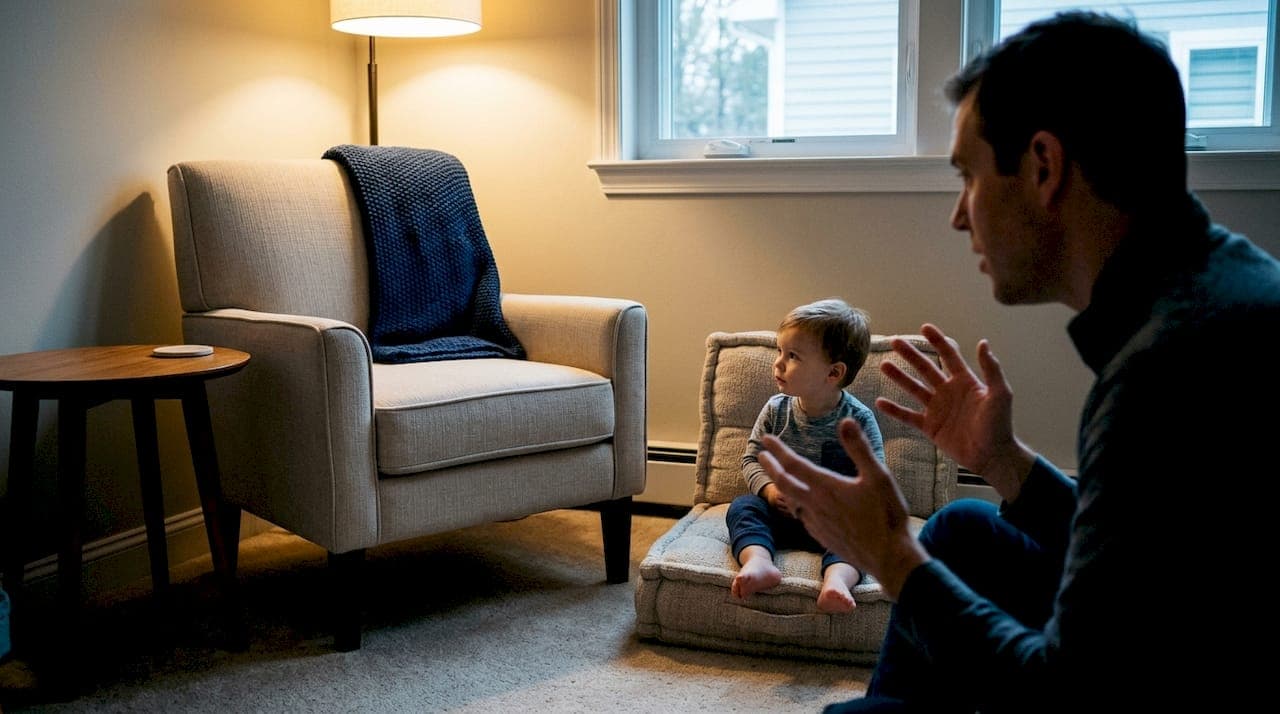
Yes: when told and framed carefully, superhero stories can teach kindness. Start with a single short prompt, model a nonviolent helping action, and ask one simple reflection question. Research on perspective-taking, role-play, and classroom behavior supports this approach, and the ready-to-use prompts below let you try it tonight.
TL;DR:
- Using stories where heroes help without fighting can promote empathy and reduce aggression, especially if the hero's thoughts are verbalized aloud.
- Short, personalized prompts like helping a peer or sharing snacks can be extended with obstacles to teach effort and perseverance in kindness.
- Audio storytelling fosters emotional connection and imagination, making it an effective screen-free tool for reinforcing prosocial behavior in children.
- Morale should be clear and concrete for ages 4 to 6, while stories for children up to age 9 can include multiple perspectives and subtle moral lessons.
- Creating stories based on real child's interests and obstacles increases engagement and helps reinforce specific kindness behaviors effectively.
Table of Contents
- 1. Why kindness-focused superhero stories help, and where the limits are
- 2. Five ready-to-use kindness superhero story prompts
- 3. Activities and questions that make the lesson stick
- 4. Why audio and screen-free superhero stories work so well for this
- 5. Getting the language, length, and moral right for ages 4 to 9
- 6. Kindness superhero stories from different cultural traditions
- 7. Writing your own kindness superhero stories for any child
- 8. How kindness superheroes teach inclusion and empathy
- 9. How kindness stories differ from traditional superhero tales
- 10. Bringing kindness superhero stories into classrooms and community programs
- Balancing excitement with gentle modeling
- A gentle option: weekly personalized kindness-focused superhero audio
- Sources
- FAQ
1. Why kindness-focused superhero stories help, and where the limits are
Stories give children a low-stakes place to practice feelings they haven't fully named yet. Audio narratives in particular encourage children to build pictures in their own minds and connect those pictures to real emotions, which the Child Mind Institute describes as a strength of audio storytelling for emotional processing and family connection. Guidance on perspective-taking from the University of Nevada, Reno Extension summarizing NAEYC-aligned practice makes a related point: when adults model curiosity and acceptance inside a story, children get better at respecting people who are different from them and tend to form stronger friendships as a result.
Superhero stories are not automatically good for this. A 2025 review in Frontiers in Psychology found that different modes of superhero engagement predict different outcomes: intense early identification with a hero and some forms of toy-based combat play have been linked with higher aggression, while storytelling and collaborative pretend play tend to support creativity and prosocial behavior instead. The mode of engagement matters as much as the character.
Practical takeaway: favor stories where the hero defends without fighting, and treat every "battle" as a chance to model empathy rather than force.
- Choose stories where the hero's power is helping, not hitting.
- Narrate the hero's thinking out loud so children hear the reasoning behind kindness.
- Pause after tense moments to ask what the hero (or the child) felt.
A separate line of research supports the format itself: pretend role-play built around self-control and perseverance, often called the Batman effect, has been shown to improve aspects of preschoolers' executive function, which is part of why acting out a kind character can do real work beyond entertainment.
2. Five ready-to-use kindness superhero story prompts
Each of these takes two to five minutes to read or tell aloud. None of them resolve through fighting. Swap in your child's name or a real detail from their week to make the hero feel like them.
- The Quiet Helper: A hero with super-hearing notices a classmate crying at recess and, instead of announcing a rescue, sits down and just listens first. Staging tip: whisper the hero's internal thoughts to make the listening feel active.
- The Sharing Signal: A hero who can multiply snacks uses the power only after realizing a friend forgot lunch, and has to decide whether to show off or share quietly. Staging tip: use a soft chime sound effect each time the hero chooses to share.
- The Newcomer's Friend: A hero notices a new kid standing alone at the playground and invents a way to include them in the game already happening. Staging tip: give the new character a name your child picks, which makes inclusion the whole point of the plot.
- The Brave Apology: A hero accidentally knocks over another character's block tower while flying too fast and has to figure out how to make it right. Staging tip: slow your voice down for the apology line so it lands as the hero's bravest moment, braver than any rescue.
- The Kind Stand: A hero sees one character teasing another and steps in by redirecting the group to a game everyone can play, never yelling or shoving. Staging tip: give the hero a catchphrase your child invents, since a repeated line makes the lesson stick.
Pro Tip: After any prompt, ask one question: "What do you think the person who got helped felt like afterward?" and wait for the answer before moving on.
To extend any prompt into a longer story, add one obstacle before the kind act (the hero is tired, running late, or scared) so your child sees that kindness takes effort, not just superpowers.
3. Activities and questions that make the lesson stick
A story lands harder when you do something with it right after. These take five minutes or less and work at bedtime, in the car, or over breakfast.
- Ask, "What did the hero notice that made them stop and help?" to practice noticing cues.
- Ask, "How do you think the other character felt before the hero showed up?" to build emotional labeling.
- Switch roles: you play the hero, your child plays the person who needs help, then swap.
- Act out the specific helping move from the story (the listening, the sharing, the apology) using toys or just hands.
- Set a one-week micro-challenge: pick one kindness behavior from a story and try it once a day, checking in each night on what happened.
- For ages 4 to 6, keep questions concrete ("What did the hero do with their hands?") rather than abstract.
- For ages 7 to 9, push further ("Was there a moment the hero could have chosen not to help? Why didn't they?").
- For a more sensitive or anxious child, let them narrate the helper's feelings instead of acting them out physically.
Pro Tip: Keep the same reflection question across several weeks. Repetition, not novelty, is what turns a nice story into a habit.
4. Why audio and screen-free superhero stories work so well for this
Audio strips away the visual noise that competes for a child's attention and leaves more room for imagination and feeling. The Child Mind Institute points to this intimacy as part of why audio storytelling supports emotional processing: a child pictures the hero themselves, which makes the hero's choices feel more personal than a screen version would. A weekly, routine listening habit also gives kindness practice something screens rarely offer: repetition without repetition fatigue, since each new episode can revisit the same lesson in a new setting.
- Look for audio that resolves conflict without violence, not just without visible weapons.
- Favor stories personalized to your child's own name and interests, since personal relevance keeps attention on the lesson rather than the spectacle.
- Prioritize a private, ad-free feed so you control what your child hears and when.
G45-hero-cast builds its weekly personalized superhero podcasts around exactly this idea: gentle, age-ready stories for children ages 4 to 9, delivered screen-free to a private feed, with the child as the hero of their own kindness moments each week.
5. Getting the language, length, and moral right for ages 4 to 9
A four-year-old and a nine-year-old need very different versions of the same lesson. For ages 4 to 6, keep sentences short, stick to one moral per story, and make the kind act physically obvious (sharing a toy, holding a door, sitting with someone). Abstract ideas like fairness or empathy work better as concrete pictures at this age than as explained concepts.
For ages 7 to 9, children can hold a story with two characters' perspectives at once and can handle a moral that isn't spelled out in the last line. A story where the hero makes a mistake first, as in the apology prompt above, tends to land better here than a story where the hero is kind from the start.
Across the whole range, moral clarity matters more than plot complexity. A story can have a wild superpower and a chase scene, but the kindness moment itself should be simple enough that a child could describe it in one sentence afterward. If they can't restate what the hero did that was kind, the story needs a rewrite, not a longer explanation.

6. Kindness superhero stories from different cultural traditions
Kindness-as-heroism is not a single culture's idea. Folk traditions across the world already feature protector figures whose power is generosity, wisdom, or self-sacrifice rather than combat: characters who share food during famine, who use trickery to protect the vulnerable rather than to harm, or who are remembered for one act of mercy rather than a battle won. Modern children's media has picked up the same thread, building heroes whose signature move is comforting a frightened character or repairing a broken friendship instead of defeating a villain.
The common thread across these traditions is that the "super" part of the story is optional, but the kindness part is the whole reason the character is remembered. That is a useful filter for choosing or writing stories: ask whether the kind act would still matter if you removed the cape.
7. Writing your own kindness superhero stories for any child
Original stories beat borrowed ones for one simple reason: a child who hears themselves in the hero pays closer attention to what the hero does. Start with three questions: what does this child care about, what is one kind behavior you want to reinforce this week, and what small obstacle would make that behavior take real effort.
Build the story around a real detail, a sibling's name, a pet, a favorite color, and let the kind act come from a specific choice rather than a generic virtue. A story about "being nice" is forgettable; a story about a hero who gives up their turn on the swing because a friend looked left out is not. Keep dialogue simple enough to read aloud in one sitting, and end on the moment right after the kind act, when the helped character reacts, since that reaction is what teaches empathy.
For families raising children across different backgrounds or family structures, the same method scales: the hero's power and setting can change freely, but the emotional beat, noticing, choosing, helping, should stay the same every time.

8. How kindness superheroes teach inclusion and empathy
A structured classroom program called the Inclusive Superhero Game found that inviting children to invent superheroes and play collaboratively increased inclusive, helping interactions between students with and without identified needs. That result matters at home too: when a hero's job is to notice who is left out, children practicing that same noticing in their own stories tend to carry it into the lunchroom or the playground.
Kindness superheroes work well for inclusion specifically because the "power" can be anything, which means a shy child, a child with a disability, or a child new to a school can all be written as the hero without changing the shape of the story. The point is never the cape. It is the noticing, the choosing to include, and the small act that follows.
9. How kindness stories differ from traditional superhero tales
Traditional superhero stories usually resolve tension through a fight: the hero is stronger, faster, or cleverer than a villain, and winning means overpowering someone. Kindness superhero stories resolve tension through a relationship: the hero is more attentive, more patient, or braver about doing something small and awkward, and winning means someone else feels less alone.
The practical difference for parents is what a child rehearses. A fight-resolution story rehearses overpowering an opponent. A kindness-resolution story rehearses noticing a need and acting on it, which is the behavior most caregivers actually want more of at home. Both formats can share the same costume and the same superpower list. The difference is entirely in what the hero does at the climax.
10. Bringing kindness superhero stories into classrooms and community programs
Educators do not need a new curriculum to use this material. The Inclusive Superhero Game intervention showed measurable gains in inclusive interactions using a design as simple as inviting students to invent superheroes and play together, which any classroom or after-school program can adapt with minimal setup. A single weekly session built around one kindness prompt, followed by a short group discussion, mirrors the same structure that worked in that study.
Community programs can use the same short-prompt-plus-reflection model in libraries, scout troops, or faith groups: read one prompt, act it out in pairs, and close with a single question about how the helped character felt. Keeping the format short and repeatable matters more than making it elaborate, since the behavior being taught is a habit, not a one-time lesson.
Balancing excitement with gentle modeling
Superhero play should feel thrilling, not sanitized, or children tune out. The guardrail that matters most is simple: let the powers be big, but keep the resolution small and human, a listening ear, an apology, a shared seat. Watch for glamorized violence creeping into play and redirect toward the helping move instead.
Every child brings a different temperament to these stories, so treat each prompt as a starting point you adjust, not a script to follow exactly. Some children need more action before they'll sit with a quiet moment. Others need the quiet moment made even quieter. Use these stories as practice spaces for kindness, not as literal templates for how a real problem must be solved.
— JG
A gentle option: weekly personalized kindness-focused superhero audio
Coming up with a fresh kindness prompt every week is hard on top of everything else caregivers juggle. A service that offers a weekly personalized superhero podcast where your own child stars as the hero, built around their real name, interests, and traits, delivered screen-free to a private podcast feed every week can handle that part.
Families who want a reliable Sunday routine tend to choose one plan, while grandparents looking to give a lasting weekly gift often pick another. Both turn the ideas in this guide, noticing, helping, reflecting, into a story made for one specific child. Visit G45-hero-cast to see plan details and start a subscription or gift.
Sources
- Meeting People Where They Are: Audio Storytelling and Mental Health - Child Mind Institute
- NAEYC guidance on perspective-taking
- Superhero engagement and child behavior — Frontiers in Psychology (2025)
- Does Batman™ affect EF because he is benevolent or skilful? The effect of different pretend roles on pre-schoolers’ executive functions
- The Inclusive Superhero Game: Increasing Inclusive Interactions in Inclusive Education
FAQ
Can superhero stories really teach young children kindness?
Yes, when the stories are framed around noticing and helping rather than fighting. Guidance on perspective-taking supports using stories to help children practice empathy and respect for differences.
Do superhero stories make kids more aggressive?
It depends on the type of engagement. A 2025 review in Frontiers in Psychology found that intense early identification and some toy-based combat play have been linked with higher aggression, while storytelling and collaborative pretend play tend to support creativity and prosocial behavior instead.
What age is best for starting kindness superhero stories?
These stories work from around age 4 through 9, with the language and moral complexity adjusted for the child. Younger children need one simple, concrete kind act, while children closer to 9 can handle a story with more than one perspective.
Does audio storytelling work as well as reading a picture book?
Audio removes visual distractions and can deepen a child's imagination and emotional connection to a story, according to the Child Mind Institute. It is a strong screen-free option, particularly for bedtime or car routines where a book isn't practical.
How much does a weekly personalized superhero podcast cost?
G45-hero-cast offers a Bedtime Standard plan at $99 per month and a Grandparent Gift plan at $999 per year, both delivering personalized weekly episodes to a private podcast feed. Full details are available at G45-hero-cast.