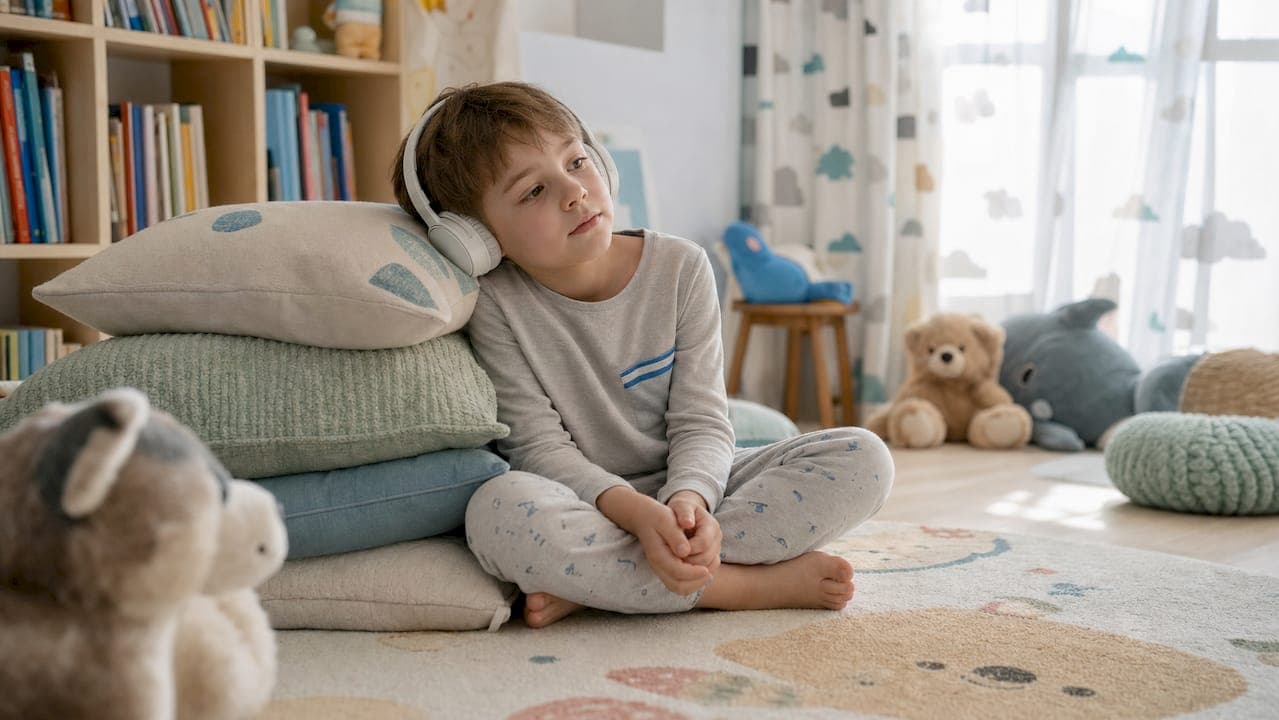
The best calming bedtime podcasts for kids ages 4–10 are led by Superhero Sounds, which stands apart because every episode features your child by name as the hero. For families who want a ready-to-play free option tonight, here are the strongest picks:
- Be Calm on Ahway Island — slow, guided calm narratives; ideal for ages 4–7
- Peace Out — mindfulness scripts built for kids; works well ages 4–9
- Little Stories for Tiny People — very gentle pacing and soft narration; best for ages 4–6
- Bedtime Explorers — soothing soundscapes with predictable structure; ages 4–9
- Sleep Tight Stories — rotating library of lightweight bedtime tales; ages 4–9
- Circle Round — richly produced folktales that still wind down; ages 6–10
- Bedtime History — calm nonfiction stories for older kids; ages 7–10
To try Superhero Sounds tonight, visit g45-hero-cast.com and start a subscription for weekly personalized episodes delivered to a private feed.
Table of Contents
- What are the best bedtime podcasts for kids right now?
- How to pick the right bedtime podcast for your child
- How we selected and evaluated these podcasts
- Does a screen-free bedtime routine actually help kids sleep better?
- Key Takeaways
- Why audio at bedtime works better than most parents expect
- G45-hero-cast's Superhero Sounds: when personalization changes everything
- Sources and further reading
What are the best bedtime podcasts for kids right now?
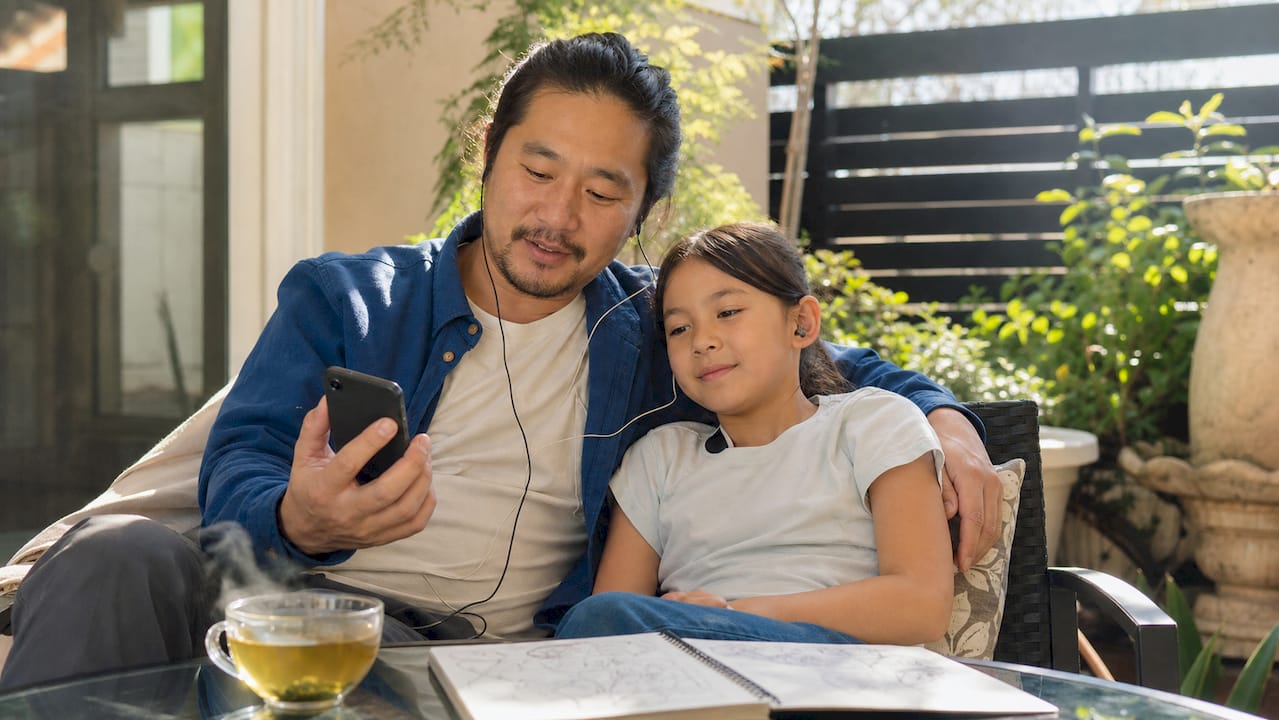
Sleep Tight Stories describes the core appeal well: bedtime audio formats range from storytelling to guided relaxation to soundscapes, and each format serves a different child. The table below maps every show to the dimensions that matter most at bedtime.
| Show | Best for (age / goal) | Tone / format | Typical episode length | Cost | Platforms | Why it helps sleep | Suitability notes |
|---|---|---|---|---|---|---|---|
| Superhero Sounds | Ages 4–9 / personalized hero story | Personalized story | 10–20 min | Subscription | Private feed (email delivery) | Child's own name and traits create immediate engagement then calm | No ads; parent controls the feed |
| Be Calm on Ahway Island | Ages 4–7 / guided calm | Guided calm narrative | 10 min | Free / ad-supported | Apple Podcasts, Spotify | Slow narration lowers energy deliberately | Very gentle; no scary content |
| The Stories Podcast | Ages 5–10 / classic storytelling | Story (classic/original) | 20 min | Free | Apple Podcasts, Spotify | Familiar tales with adult narration; predictable structure | Large catalogue; check individual episodes |
| Little Stories for Tiny People | Ages 4–6 / very gentle pacing | Gentle original story | 10 min | Free | Apple Podcasts, Spotify | Soft narrator voice; short runtime prevents overtiredness | Ideal for preschoolers |
| Peace Out | Ages 4–9 / mindfulness | Guided relaxation | 10 min | Free | Apple Podcasts, Spotify | Clear mindfulness scripts designed for children | No scary content; parent-friendly |
| Circle Round | Ages 6–10 / richer stories | Folktale / produced story | 20–25 min | Free | Apple Podcasts, Spotify, WBUR | High production; culturally diverse tales | Some episodes run longer; preview first |
| Bedtime Explorers | Ages 4–9 / soundscape | Soundscape + gentle story | 10 min | Free | Apple Podcasts, Spotify | Consistent soundscapes and predictable structure | Very low stimulation |
| Sleep Tight Stories | Ages 4–9 / rotating library | Story (classic + new) | 10–20 min | Free | Apple Podcasts, Spotify, website | Varied lengths; family-friendly themes | No ads on most episodes |
| Honeybee Kids | Ages 4–7 / music + story | Story + lullaby music | 5–10 min | Free | Apple Podcasts, Spotify | Lullaby elements reinforce sleep cues | Very short; good for younger kids |
| Bedtime History | Ages 7–10 / nonfiction | Calm nonfiction story | 20 min | Free | Apple Podcasts, Spotify | Quiet tone; satisfies curiosity without overstimulating | Best for school-age kids |
| What If World | Ages 6–10 / imaginative Q&A | Imaginative story | 20 min | Free | Apple Podcasts, Spotify | Light-hearted but moderately paced | Some episodes more energetic; preview |
| Stories Podcast | Ages 5–10 / broad retellings | Story (eclectic) | 20 min | Free | Apple Podcasts, Spotify | High volume of episodes; reliable narration | Straightforward; no frills |
| Calm Kids | Ages 4–9 / meditation | Guided meditation / breathing | 5–10 min | Free | Apple Podcasts, Spotify | Short breathing tracks; direct sleep support | Excellent for anxious sleepers |
| Tales from the Lilypad | Ages 4–6 / extreme predictability | Very short repetitive story | 5–10 min | Free | Apple Podcasts, Spotify | Repetitive structure promotes sleep onset | Best for children who need routine |
Superhero Sounds: the personalized pick
Most bedtime podcasts hand your child a story about someone else. Superhero Sounds flips that. G45-hero-cast builds each episode around your child's actual name, age, and interests, then delivers it weekly to a private podcast feed. There are no ads, no autoplay rabbit holes, and no content you haven't approved. Sibling options and gift subscriptions are available, which makes it practical for families with more than one child in the 4–9 age range.
The honest caveat: if your child is perfectly happy with a free show and doesn't need that personal hook to settle, Be Calm on Ahway Island or Peace Out will do the job at no cost. Superhero Sounds earns its place for the child who keeps asking "but what happens to ME?" at the end of a story.
A note on free shows
Every other show on this list is free on Apple Podcasts or Spotify. The trade-off is ads on some episodes and no personalization. For most families, starting with a free show to test the format before committing to a subscription is the sensible move. Check individual episodes of What If World and Circle Round before adding them to a nightly routine — both occasionally run longer or more energetically than the others.
How to pick the right bedtime podcast for your child
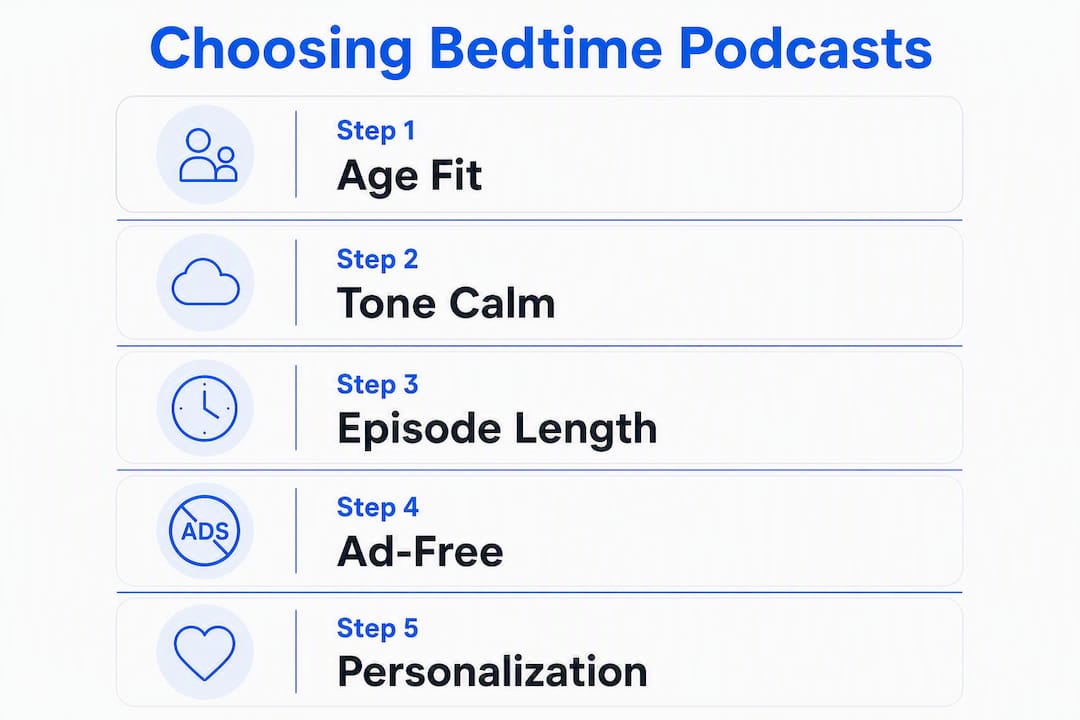
Age and temperament narrow the list faster than any other filter. A few clear criteria:
- Age match: Shows like Tales from the Lilypad and Little Stories for Tiny People are built for ages 4–6. Bedtime History and What If World suit ages 7–10. Mismatching age to content either bores older kids or overstimulates younger ones.
- Episode length: Keep total listening under 20 minutes for ages 4–6. Older children can handle 20–25 minutes, but anything longer risks becoming a stalling tool rather than a wind-down.
- Narrator tone: A slow, low-pitch narrator is the single strongest sleep cue in audio. Preview 90 seconds of any episode and ask: does the voice slow down or stay flat? Does it drop in energy toward the end?
- Predictable structure: Children's brains associate repeated patterns with safety and sleep. Shows with the same opening music, the same narrator, and the same closing phrase work better as sleep cues than variety-format shows.
- Offline playback: Download episodes before bed. Buffering interruptions break the calm and wake children up. Apple Podcasts and Spotify both support offline downloads.
- Ad policy: Check whether the free version runs mid-episode ads. A sudden ad voice at a different volume and pace can jolt a child who was almost asleep.
Questions to ask while previewing an episode:
- Does the narrator's pace slow noticeably in the second half?
- Are there abrupt sound effects or sudden music changes?
- Does the episode have a clear, quiet ending rather than a cliffhanger?
- Is the vocabulary age-appropriate without being condescending?
- Would autoplay lead to a more stimulating episode next?
Red flags to avoid: plot-heavy cliffhangers, high-energy background music, episodes that end on an unresolved question, and any show where autoplay defaults to content outside the bedtime category.
Pro Tip: Turn autoplay off before the first episode plays. On Spotify, tap the episode title and disable "Autoplay." On Apple Podcasts, go to Settings and turn off "Continuous Playback." One setting change prevents a 10-minute podcast from becoming a 45-minute screen-adjacent session.
How we selected and evaluated these podcasts
Every show on this list was assessed against the same set of criteria, applied consistently across all 14 free shows and Superhero Sounds.
Listening criteria used:
- Tone and pace: Does the narrator slow down as the episode progresses? Is the overall energy low?
- Repetition and structure: Does the show use a consistent opening, recurring phrases, or a predictable arc that signals "sleep time" to a child's brain?
- Episode length: Short enough to fit inside a 20–30 minute wind-down without becoming a negotiation tool.
- Age signaling: Does the show clearly target a specific age range, and does the content match that claim?
- Platform and controls: Is it available on mainstream platforms with offline download? Can parents control autoplay?
- Ad model: Are ads present, and if so, where do they appear in the episode?
Trust signals weighed:
- Explicit age recommendations from the show's own publisher
- Independent listener reviews and editorial coverage in parenting publications
- Offline and download availability
- Transparency about the ad model
Publisher disclosure: Superhero Sounds is published by G45-hero-cast, which also publishes this article. That relationship was managed by holding Superhero Sounds to the same criteria as every other show. It leads the list because personalization is a genuine differentiator for the 4–9 age range, not because of the publishing relationship. Families who prefer free, non-personalized audio will find strong alternatives throughout this list.
Does a screen-free bedtime routine actually help kids sleep better?
The short answer is yes, and the research is consistent. A JAMA Pediatrics study found that a consistent, screen-free routine of 20–30 minutes reduced night wakings and helped children fall asleep faster, with results visible within two weeks. A separate controlled study cited by First Things First found that replacing screen time with calming activities for one hour before bed produced measurable sleep improvements over seven weeks.
The mechanism is straightforward. Screen light suppresses melatonin in children more strongly than in adults, delaying sleep onset. Audio replaces the stimulation of a screen without the light exposure, and when the content is calm and predictable, it actively supports the transition to sleep.
A BMJ meta-analysis found screen-free periods before bed consistently produce earlier sleep onset, longer sleep duration, and better sleep quality in children, with the effect strongest when a calming alternative is already in place before screens go off.
A sample 20–30 minute wind-down routine
- T-minus 30 min: Dim warm overhead lights. Set up the audio device before screens go off — the transition is smoother when the alternative is already ready.
- T-minus 25 min: Teeth brushed, pajamas on. No screens from this point.
- T-minus 20 min: Start the podcast. Sit together for the first few minutes if possible; shared listening keeps the routine bonding-focused rather than a passive handoff.
- T-minus 5 min: Episode ends. Lights out or near-out. Brief goodnight exchange.
- Lights out.
Pro Tip: Place the device across the room, not on the pillow. A phone on the nightstand is a temptation and a blue-light source. A small Bluetooth speaker on a dresser gives clean audio without the screen proximity.
Practitioners consistently advise keeping the entire wind-down, including the podcast, short enough that it doesn't become a negotiation. Once the routine stretches past 30 minutes, children start finding ways to extend it. The podcast should be the last event before lights out, not one of several.
Key Takeaways
The strongest bedtime podcasts for kids combine a calm narrator, predictable episode structure, and a runtime short enough to fit inside a 20–30 minute wind-down without becoming a stalling tool.
| Point | Details |
|---|---|
| Screen-free audio works | A 20–30 minute screen-free routine with calming audio reduced night wakings in JAMA Pediatrics research within two weeks. |
| Match show to age | Ages 4–6 need very short, gentle episodes (5–15 min); ages 7–10 can handle 15–25 minutes of calm nonfiction or folktales. |
| Turn autoplay off | Disable autoplay on Spotify and Apple Podcasts before the first episode to prevent the routine from running long. |
| Shared listening matters | Sitting together for the first few minutes of the podcast keeps bedtime bonding-focused rather than a passive screen substitute. |
| G45-hero-cast's Superhero Sounds | Weekly personalized episodes starring your child by name, delivered ad-free to a private feed — the strongest pick for ages 4–9 who need a personal hook to settle. |
Why audio at bedtime works better than most parents expect
Most parents I talk to assume a podcast is just a screen without the picture. That framing undersells what good audio actually does for a child at bedtime.
The real value isn't distraction. It's ritual. When a child hears the same voice, the same opening music, or the same narrator say "time to close your eyes" at the same point every night, the brain starts treating that sound as a biological signal. The association builds over days, not weeks. By the second or third night with the same show, many children are drowsy before the episode ends.
What most parents underestimate is how much the predictability of the content matters compared to the quality of it. A beautifully produced show with surprising plot twists keeps a child's brain active. A simpler show with the same structure every night, even if it's less impressive, does more sleep work. That's why Tales from the Lilypad outperforms more polished productions for the youngest kids, and why Bedtime Explorers' consistent soundscape structure works even for children who claim they're "not tired."
The objection I hear most: "My child just wants more episodes." That's an autoplay problem, not a podcast problem. One episode, autoplay off, device across the room. The routine holds when those three conditions are in place.
G45-hero-cast's Superhero Sounds: when personalization changes everything
Every show on this list is worth trying. But there's one thing none of the free options can do: put your child in the story.
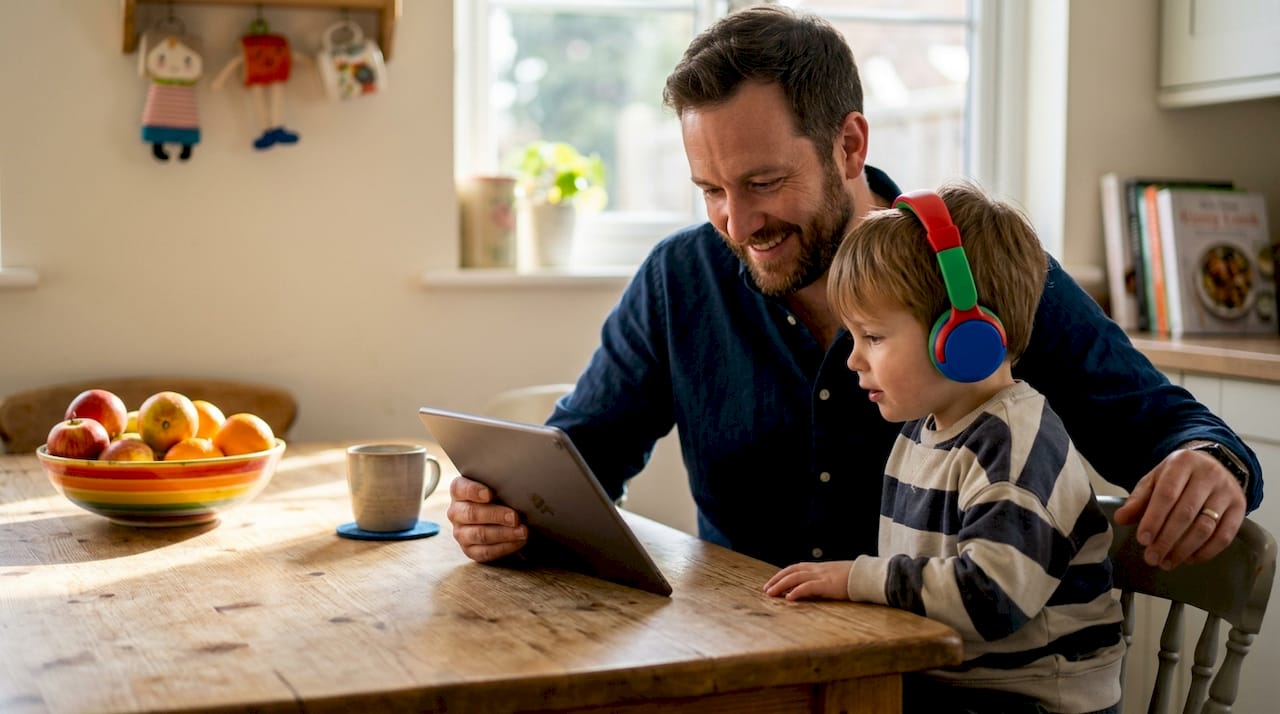
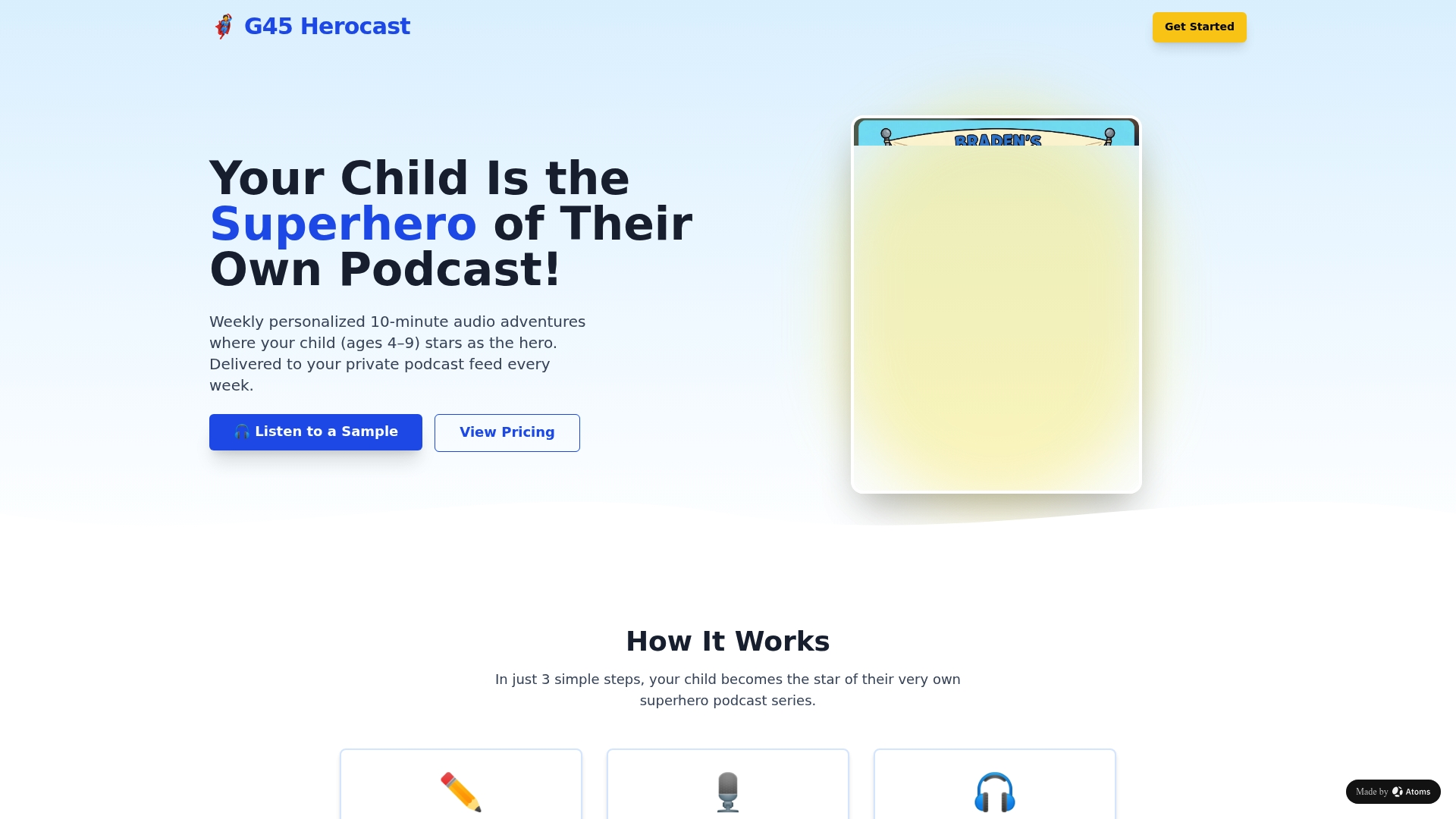
Superhero Sounds from G45-hero-cast delivers a new personalized superhero audio episode every week, built around your child's name, age, and interests, sent directly to a private podcast feed. No ads. No autoplay into random content. No sharing a narrator with millions of other kids. Sibling plans mean two children get their own separate adventures, and gift subscriptions make it a genuinely useful present for grandparents to give.
The subscription model (monthly or annual) is worth it for families where the child has tried free shows and keeps drifting back to screens, or where the "but I want to hear MY story" request comes up every night. Personalization isn't a gimmick at this age — for children 4–9, hearing their own name in a calm, heroic context is one of the fastest ways to hold attention through the drowsy transition.
Start a subscription or explore personalized audio stories to see how the episodes are built before you commit.
Disclosure: G45-hero-cast publishes both this article and Superhero Sounds. The recommendation above reflects the show's genuine features; free alternatives are listed throughout this article for families who prefer them.
Sources and further reading
| Source | Why it matters | Link |
|---|---|---|
| JAMA Pediatrics — bedtime routine study | 20–30 min screen-free routine reduced night wakings within two weeks | jamanetwork.com |
| First Things First — screen-free bedtime | Controlled study: replacing screens with calm activities improved toddler sleep over seven weeks | firstthingsfirst.org |
| Happyly — bedtime routines guide | Screen light suppresses melatonin in children more strongly than adults | happyly.app |
| Jaques of London — screen-free routine | BMJ meta-analysis: screen-free periods produce earlier sleep onset and longer sleep duration | jaqueslondon.co.uk |
| Crane Center at Ohio State — screen-free routines | Practical guidance on device settings and limiting autoplay to protect sleep onset | crane.osu.edu |
| Sleep Tight Stories | Overview of bedtime audio formats and why calm narration supports sleep | sleeptightstories.org |
| Kids Listen — Calm Kids Podcast | Directory listing and listener data for the Calm Kids mindfulness show | app.kidslisten.org |
| The Digital Reads — reading before bed | How pre-sleep reading and audio reduce stress and support sleep onset | thedigitalreads.com |
| G45-hero-cast — Superhero Sounds | Publisher landing page for personalized superhero bedtime audio | g45-hero-cast.com |