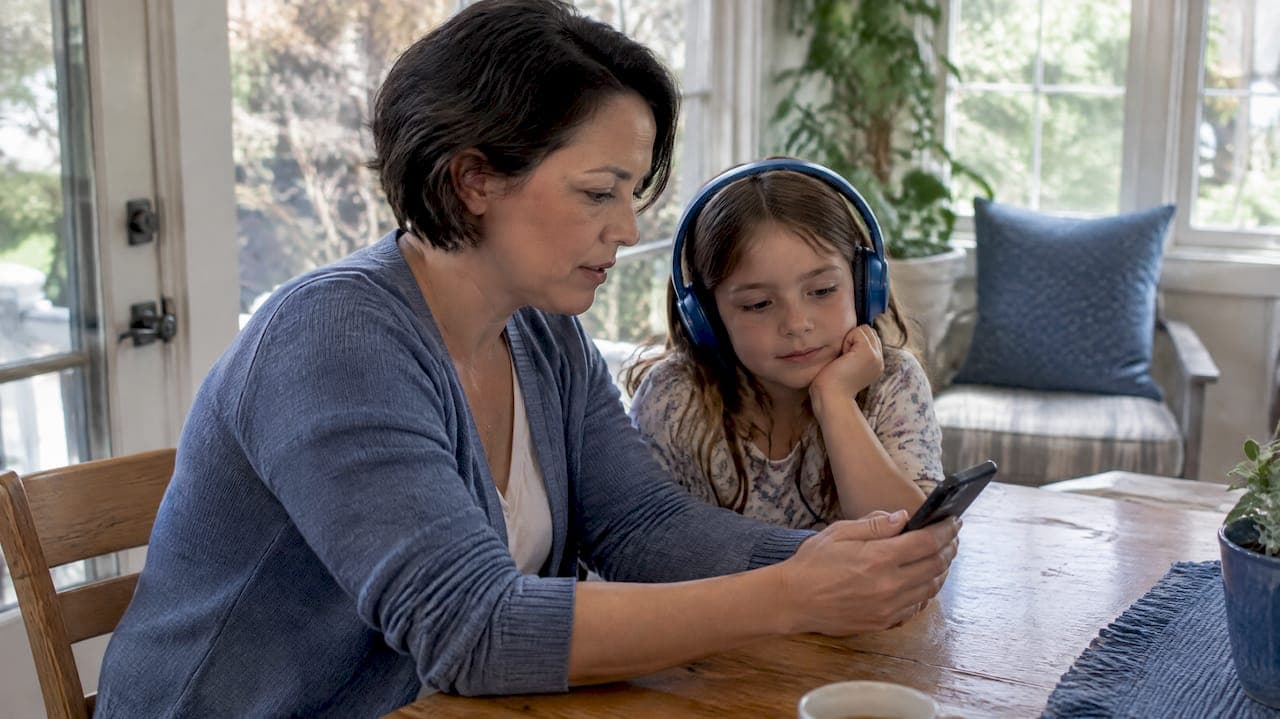
A private family podcast delivers weekly personalized superhero episodes starring your child to a private podcast feed, built for families who want a screen-free ritual instead of another app to manage. It works best for parents or grandparents of kids ages 4 to 9 who want a recurring, private show that feels made just for one child, not a generic library of stories anyone can stream.
TL;DR:
- Private family podcasts deliver weekly, personalized episodes built around a child's name, interests, and recurring characters, enhancing engagement.
- Using recurring characters and story arcs significantly increases the chances children will develop a weekly listening habit.
- Parental co-listening and short follow-up activities after episodes improve comprehension and reading-related neural connectivity.
- Privacy policies must include clear data collection, retention, parental notice, and consent procedures, especially regarding voice recordings under COPPA rules.
- Gift subscriptions and sibling profiles offer flexible options, but parents should verify billing cycles, cancellation policies, and data handling before subscribing.
Table of Contents
- What makes a podcast "private" and personalized
- Why recurring characters and co-listening matter
- Checking privacy and COPPA before you subscribe
- How the subscription, delivery, and gifting actually work
- Turning weekly episodes into a real family ritual
- Why we built weekly private episodes around one child
- Getting started with G45 Hero Cast
- Where these privacy and research claims come from
- Sources
- FAQ
What makes a podcast "private" and personalized
A private family podcast is different from a public show you find by searching a podcast app. Instead of a public feed anyone can subscribe to, the family gets a private feed or a direct link sent by email, accessible only to the people who received it. Episodes are built around one child: their name, their interests, their age, and often small details like a pet's name or a favorite color woven into the plot.
Personalization usually goes beyond name insertion. A well-built version includes recurring characters and arcs that carry from one week to the next, so the child recognizes the sidekick or villain returning in episode four the way they would in a favorite series.
- Episodes typically run weekly and stay short enough for a car ride or bedtime, usually lasting only a few minutes.
- Sibling profiles let more than one child get episodes on a rotating or parallel schedule.
- Gift versions exist for grandparents or relatives who want to sponsor the subscription without managing the account day to day.
- Families can usually update details like age, interests, or a new nickname as the child grows.
That combination, private delivery plus ongoing personalization, is what separates this format from a public parenting podcast or a generic story app.
Why recurring characters and co-listening matter
The engagement value of a private family podcast rests on two separate things: how the story is structured and who is in the room while it plays. Coverage of children's podcast research in 2026 found that shows using recurring characters and continuing story arcs saw more return listening, because kids have a reason to come back and see what the same hero does next.

Recurring characters and serial arcs are one of the more reliable levers for turning an episode into a weekly habit rather than a one-off listen, according to that industry coverage.
The audio itself matters too, but the research is more nuanced than "audio is as good as a parent reading aloud." A meta-analysis of multimedia stories found that well-designed audio and multimedia stories can scaffold comprehension and vocabulary at levels close to adult-supported reading when no adult is present, though results varied by study and design quality. Separately, brain-imaging research on story listening found that parental storytelling produces stronger connectivity in attention and sensory-processing networks than a stranger narrating the same story, and that connectivity correlated with later reading-related skills.
- Well-made audio can support comprehension on its own, but design quality and the child's attention control both shape the outcome.
- Sitting with your child while an episode plays appears to matter for the brain networks tied to reading skills.
- Neither point means a personalized podcast replaces reading together: it means the format works better as a shared activity than a background one.
A private family podcast is not a guaranteed learning tool. Treat it as a story your child looks forward to, with you nearby to talk about it.
Checking privacy and COPPA before you subscribe
Any service recording, storing, or using a child's voice or personal details falls under privacy rules built for exactly that situation. The FTC's COPPA guidance explains that a service directed to children must give parents clear notice and get verifiable consent before collecting personal information, and audio recordings of a child's voice count as personal information under that rule. A separate FTC enforcement policy statement confirms that even a brief audio file with a child's voice counts as "collection" under COPPA, so notice and consent obligations apply even if a company deletes the file quickly.
Before subscribing, run through this checklist:
- Find the privacy policy and confirm it lists what data is collected, including any child's name, age, or voice details you provide.
- Check whether the policy states a retention or deletion timeframe for that information.
- Look for a stated method of parental notice and consent, not just a checkbox at signup.
- Confirm you can request review or deletion of your child's data later.
- Note whether personal details are shared with third parties, and skip any service that is vague about it.
Pro Tip: If a provider cannot answer a direct question about how long they keep your child's details, treat that as your answer.
How the subscription, delivery, and gifting actually work
Most private family podcast subscriptions run monthly or annually, with new episodes landing on the same day each week rather than in a big batch. Access typically arrives as an email invitation linking to a private podcast feed, which you can add to any standard podcast player on a phone or tablet, similar to subscribing to a normal show but without it appearing in public search.
- Gift subscriptions usually activate through a code or an email the buyer sends to the recipient, so a grandparent can purchase without managing the account.
- Sibling profiles let a family run two or more personalized characters on the same subscription, often with separate episode threads.
- Setup usually asks for the child's name, age, and a few interests, with an option to update those details as the child grows or their tastes change.
- Before buying, check the billing cycle, cancellation terms, and how to reach support if an episode does not arrive.
Knowing these mechanics ahead of time avoids the two most common frustrations: a gift that does not activate cleanly, and a subscription nobody remembers how to cancel a year later.
Turning weekly episodes into a real family ritual
The format pays off most when it becomes a short, repeatable routine instead of just another file to play. Pick a consistent slot, Sunday morning drive or the last ten minutes before lights out, and pair the episode with a brief follow-up conversation rather than moving straight to the next task.
- Ask a prediction question before playing: "What do you think the hero does this week?"
- After the episode, spend three minutes on retell or role-play, having your child act out their favorite line.
- For ages 4 to 6, keep follow-up simple: point to a picture they draw of the scene.
- For ages 7 to 9, ask them to guess what happens in next week's episode and check their guess later.
Pro Tip: Keep the follow-up short. A three-minute conversation after the episode does more for engagement than a second episode played back to back.
Treat the podcast as a conversation starter, not a substitute for you telling your own stories.
Why we built weekly private episodes around one child

I built G45 Hero Cast around a simple frustration: most kids' audio treats every listener the same. Weekly delivery to a private feed came from wanting each episode to feel like a small event, something a child waits for the way they'd wait for a new chapter of a favorite series, not a library they scroll through once and forget.
The consistent feedback from families has been about ritual and giftability: parents like having a fixed weekly moment, and grandparents like being able to give something ongoing instead of a one-time gift. That said, results vary by family. A weekly episode works best when an adult treats it as something to share, not something to hand a child and walk away from.
— JG
Getting started with G45 Hero Cast
This service builds a new personalized superhero episode for your child every week and delivers it to a private podcast feed, so the story is built around their name, age, and interests rather than a generic script. Plans include options for monthly and annual subscriptions to suit different family needs.
Before you subscribe, check a few practical points:
- Confirm the privacy policy explains how your child's details and any voice input are stored and deleted.
- Check that the private feed works with the podcast app you already use on your phone.
- Decide whether a monthly or annual plan fits your family better before checkout.
If a screen-free weekly ritual sounds like what your family is missing, you can start a subscription or send a gift directly on the G45 Hero Cast site.
Where these privacy and research claims come from
The privacy guidance in this guide comes from federal sources, and the engagement claims come from published research and industry reporting, not marketing copy.
- The FTC's COPPA FAQ explains parental notice and consent requirements for services that collect children's personal information.
- The FTC's enforcement policy statement on voice recordings clarifies that audio containing a child's voice is covered personal information under COPPA.
- A Frontiers meta-analysis examined whether multimedia stories can scaffold comprehension similarly to adult-supported reading.
- Pediatric Research published brain-imaging findings on how parental storytelling affects neural connectivity linked to reading skills.
- PodNews reported on 2026 research into recurring characters and return listening in children's podcasts.
For screen-free activities to pair with listening time, card collecting is a low-tech option some families use alongside audio storytelling.
Sources
- Complying with COPPA: Frequently Asked Questions | Federal Trade Commission
- Enforcement Policy Statement Regarding the Applicability of the COPPA Rule to the Collection and Use of Voice Recordings (FTC)
- Can the computer replace the adult for storybook reading? A meta-analysis (Frontiers, 2014)
- Engagement of networks related to attention, executive function, and sensory processing during parental vs experimenter story-listening (Pediatric Research / Nature, 2025)
- Podnews: children's podcast study coverage (2026)
FAQ
Is a private family podcast safe for young children's data?
A reputable provider follows COPPA requirements, which means clear notice, verifiable parental consent, and a stated retention or deletion policy for any child data, including voice recordings. Always check the privacy policy for these specific points, per FTC COPPA guidance, before subscribing.
How is a private family podcast different from a public kids' podcast?
A public podcast is searchable and the same for every listener, while a private family podcast is delivered through a private feed or email link and built around one specific child's name, age, and interests. The content also updates weekly with recurring characters rather than existing as a static library.
Can grandparents gift a private family podcast subscription?
Yes, gift plans are common and typically activate through a code or email sent to the recipient, letting a grandparent give an ongoing subscription without managing weekly billing. Gift plans at various price points are available for grandparents who want to sponsor a full year without managing weekly billing.
Does listening together matter, or can a child listen alone?
Co-listening appears to add value: research on parental storytelling found stronger neural connectivity in attention-related networks when a parent tells the story compared to a stranger narrating. Treating episodes as a shared activity, with a short conversation afterward, gets more out of the format than leaving a child to listen alone.
What should I check before canceling or updating a subscription?
Check the provider's stated billing cycle and cancellation window, since monthly and annual plans usually have different terms. Also confirm how to update your child's details, like age or interests, since most services let you adjust these as your child grows.