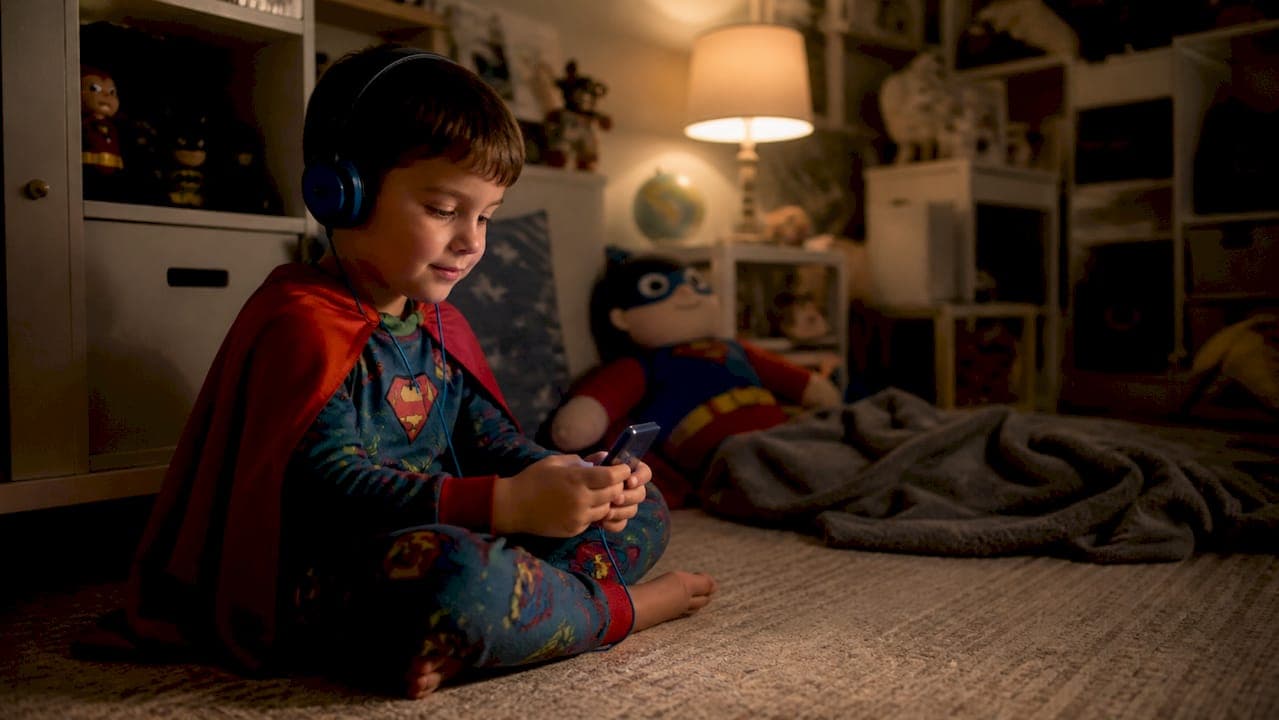
Yes, you can run a genuinely fun screen-free sleepover, and it doesn't take a Pinterest board's worth of prep. Start with a scavenger hunt, a decorating station, and a flashlight story circle, then let a simple arrive, move, create, wind-down rhythm carry the rest of the night. Kids don't miss the screens nearly as much as parents worry they will.
TL;DR:
- Kids respond well to activities that balance movement and imagination, such as obstacle courses, scavenger hunts, and puppet shows, which help prevent phone requests due to boredom.
- Structuring the evening into four phases—arrival, active play, creative time, and wind-down—reduces restlessness and makes transitions smoother, especially with flexible activity choices.
- Tailoring activities to different age groups enhances engagement, with younger kids preferring sensory and fort-building, and older kids enjoying challenges and storytelling roles.
- Preparing setup and safety measures in advance, like labeling cords and confirming allergies, minimizes last-minute issues and conflicts during the sleepover.
- Using a personalized audio adventure as part of the wind-down routine creates an engaging, screen-free way to help kids relax and enjoy the final moments of the night.
Table of Contents
- Screen-Free Sleepover Ideas: The Quick Shortlist
- How Do You Structure a Screen-Free Sleepover Night?
- Which Screen-Free Activities Work Best by Age?
- What Do You Need for Setup, Safety, and Devices?
- How Do You Wind Down a Sleepover Without Screens?
- How Do You Get Buy-In from Parents and Kids?
- Why a Shared Story Might Be the Best Screen-Free Tool You're Not Using
- Turn the Wind-Down Hour into the Best Part of the Night
- Sources
Screen-Free Sleepover Ideas: The Quick Shortlist
You don't need six months of Pinterest boards to pull this off. Most sleepovers that run smoothly lean on a handful of low-prep activities that work for almost any age group and any living room.
- Scavenger hunt. Print picture clues for younger kids or written riddles for older ones, and hide them around the house or yard the night before.
- Obstacle course. Couch cushions, painter's tape lines, and a hula hoop turn a hallway into a timed course in about ten minutes.
- Dessert bar. A cupcake or mini-pizza decorating station keeps hands busy and doubles as the evening's snack, though you'll want dairy-free and nut-free toppings on hand.
- Fort and story time. Build a blanket fort, hand out flashlights, and play a shared audio adventure from one central device so nobody's staring at a screen.
- Puppet theater. Sock puppets or paper-bag puppets and a bedsheet curtain are enough for a full mini-production.
- Friendship bracelet station. A basket of embroidery floss keeps hands occupied during any lull in the schedule.
This mix works because it combines movement with imagination, which is exactly the combination that keeps a group of kids from drifting toward a phone.
Pro Tip: Pick one activity from this list for each of the four rhythm stages below instead of trying to run all six back to back. Kids get restless when every activity looks the same.
How Do You Structure a Screen-Free Sleepover Night?
Run the evening in four stretches instead of a minute-by-minute schedule: arrive and settle, move and play, create something, then wind down. This four-phase rhythm keeps energy levels matched to the activity instead of fighting against them, and it eases the transitions that usually cause meltdowns or screen requests.
- Arrive and settle (20 to 30 minutes): name tags, a simple craft, and light snacks while everyone shows up on their own timeline.
- Move and play (45 to 60 minutes): obstacle courses, scavenger hunts, or a family game night that fits all ages and skill levels and burns off excess energy.
- Create (30 to 45 minutes): decorating, puppet-making, or bracelet crafting, when kids are calm enough to sit still.
- Wind down (30 minutes or more): stories, a shared audio adventure, or quiet journaling before lights out.
Younger groups need shorter windows within each phase, sometimes just 15 minutes before attention drifts. A timer, a change in music, or handing a "clue master" role to a different kid works better than announcing "next activity" out loud. One detail worth knowing: hosts who plan loose activity choices within each phase, rather than a rigid schedule, report fewer requests for phones or tablets, since kids already have an option that matches their energy.
Which Screen-Free Activities Work Best by Age?
A six-year-old and a ten-year-old don't want the same version of "fun," and pretending otherwise is how sleepovers stall out. Adjust the activity, not the rhythm.
| Age group | Best-fit activities | Notes |
|---|---|---|
| 3 to 5 | Sensory bins, stuffed-animal hotel, short 3-clue scavenger hunt, supervised fort-building | Keep hunts under 10 minutes; an adult should stay in the room |
| 6 | Obstacle courses, cupcake or pizza decorating, puppet shows, longer clue hunts, simple relay tournaments | This age group handles 20 to 30 minute activity blocks well |
| 9 | Mystery challenges, team relays, DIY mocktail bar, friendship-bracelet stations, collaborative storytelling | Give them ownership over rules and roles, they'll self-manage more than you expect |
For mixed-age groups, pairing works better than splitting by age. Put an older kid in charge of a "helper" role, snack captain, clue master, timekeeper, so quieter or younger guests aren't stuck watching from the sidelines. That kind of role assignment gives every kid a job, not just the loudest ones.
Skip games with small pieces or long rulebooks when 4 and 5-year-olds are in the mix. Keep instructions to one sentence and demonstrate rather than explain.
What Do You Need for Setup, Safety, and Devices?
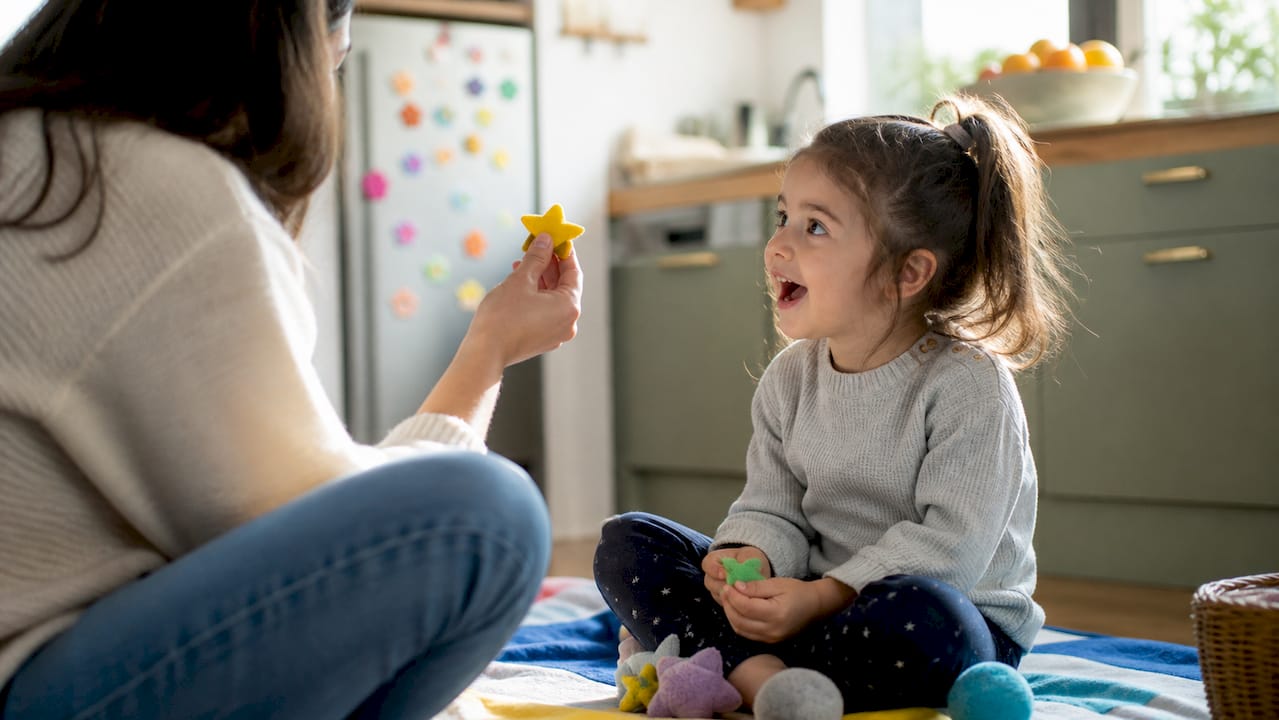
A five-minute welcome station at the door does more work than an hour of decorating. Set up name tags, cups, one quick craft, and a labeled device drop-off box with charging cords sorted by name.
- Confirm allergies and dietary restrictions before the guest list is final, not the night of.
- Keep a basic first-aid kit accessible and know where it is before kids arrive.
- Set clear lighting rules for flashlight games. Total darkness plus running kids is a bad mix.
- Aim for one adult per 4 to 6 kids for anything involving obstacle courses or outdoor hunts.
- Print scavenger hunt clues and prep craft kits the day before, not the morning of.
Pro Tip: Label each charging cord with initials using masking tape before kids arrive. It sounds small, but it's the single biggest source of 10 p.m. arguments at sleepovers.
How Do You Wind Down a Sleepover Without Screens?
The last hour makes or breaks a sleepover. Kids who are overtired and overstimulated don't fall asleep just because the lights go off, they need a genuine transition.
- Group reading, one adult reading aloud while everyone lies in sleeping bags.
- A flashlight story circle where kids take turns adding to a shared tale.
- A single shared audio adventure playing from one central speaker.
- A "favorite moment" round where each kid names one thing from the night.
A calm-down corner helps here too, and it works best when it's set up before anyone needs it. Stock it with low-stimulation items like a soft blanket, a stress ball, or a small sensory bottle, and let kids visit it during a calm moment earlier in the night so it doesn't feel like punishment when they're upset.
A calm-down corner should never be introduced for the first time during a meltdown. When it's practiced ahead of time, kids treat it as a tool they choose, not a consequence they're sent to.
Invite kids in gently: "Want to sit in the quiet corner with me for a minute?" works far better than "Go calm down."
How Do You Get Buy-In from Parents and Kids?
Most pushback on a tech-free sleepover comes from unclear expectations, not from kids actually missing their devices. Say it plainly in the invitation: "This is a screen-free night, phones and tablets get collected at drop-off, and I'll call you directly for anything urgent." That one line heads off nearly every awkward pickup conversation.
- Collect devices centrally at arrival, not after a game starts.
- Label chargers and store them together so nothing gets left behind.
- Name one adult as the "device custodian" who handles the box and any emergency calls.
- Offer a lateover option, drop-off through a set time instead of overnight, for a guest who isn't ready for a full night away from home.
These small, practical steps matter more than any single tech-free hosting checklist suggests, because they remove ambiguity before it turns into friction at 9 p.m.
Why a Shared Story Might Be the Best Screen-Free Tool You're Not Using
I keep coming back to one idea while writing this: kids don't crave screens, they crave a story that's actually about them. A personalized audio adventure played during the story circle does something a movie can't. Every kid in that fort is listening for their friend's name to show up as the hero. That's a wind-down tool worth trying before the next sleepover, not just a nice idea.
— JG
Turn the Wind-Down Hour into the Best Part of the Night
G45-hero-cast is the screen-free centerpiece a sleepover story circle actually needs, a weekly personalized superhero podcast where your child, and their guests by name, becomes the hero of their own audio adventure. Instead of scrolling for "calm bedtime content," you press play once on a central speaker and let the story do the work.
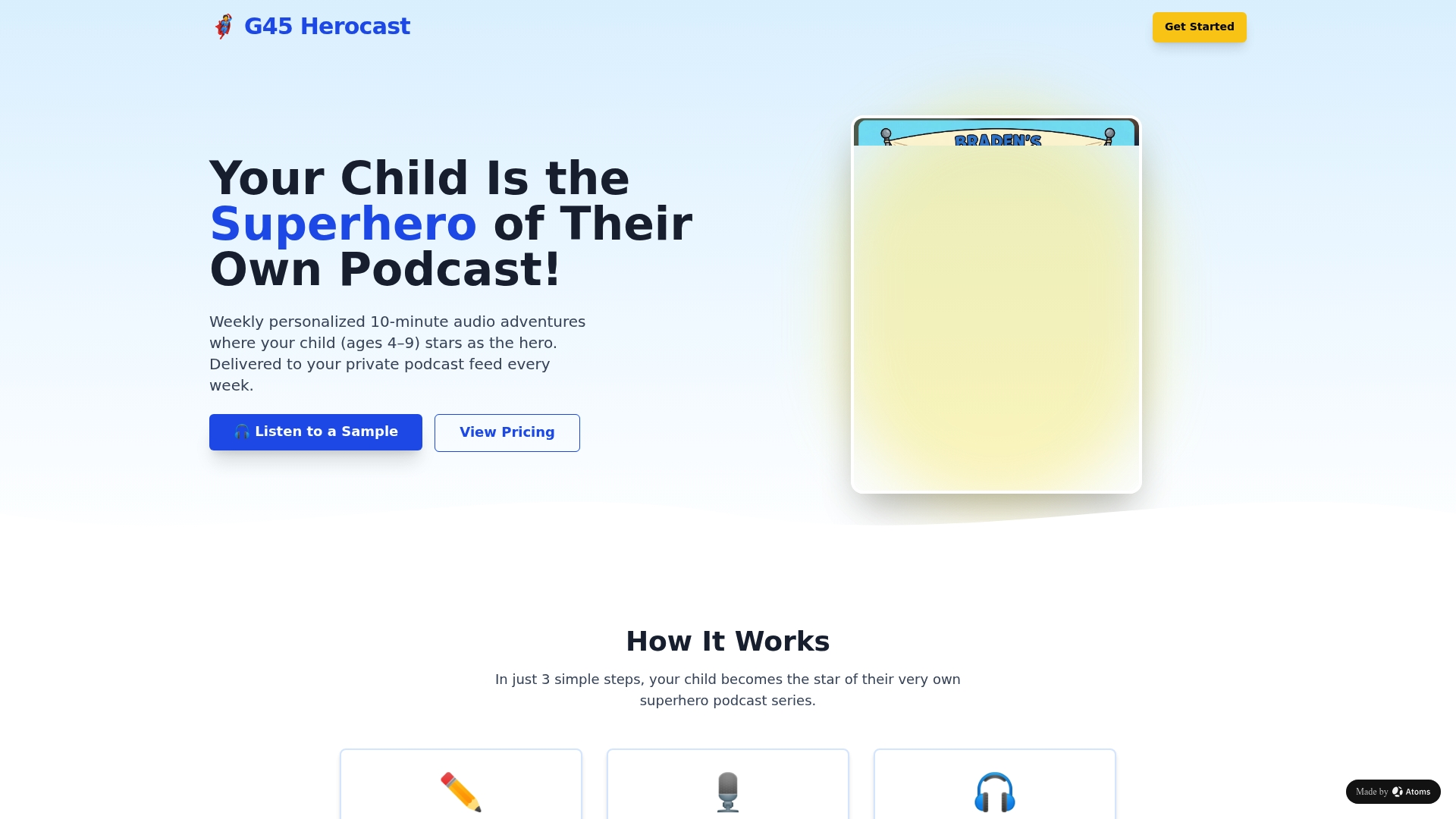
Play one episode right after dessert or during the wind-down phase, when kids are already in sleeping bags and half-listening for their names to come up. It pairs naturally with the flashlight story circle format covered above, minus the screen and minus the prep. Episodes arrive every Sunday to a private podcast feed, so the same tool that worked at the sleepover becomes part of your regular bedtime routine afterward. Check plans and get your child's first episode started at Superhero Sounds.
Sources
- Screen-Free Summer Sleepover Ideas Kids Will Actually Love
- The No-Technology Sleepover (Yes, It’s Really Possible!)