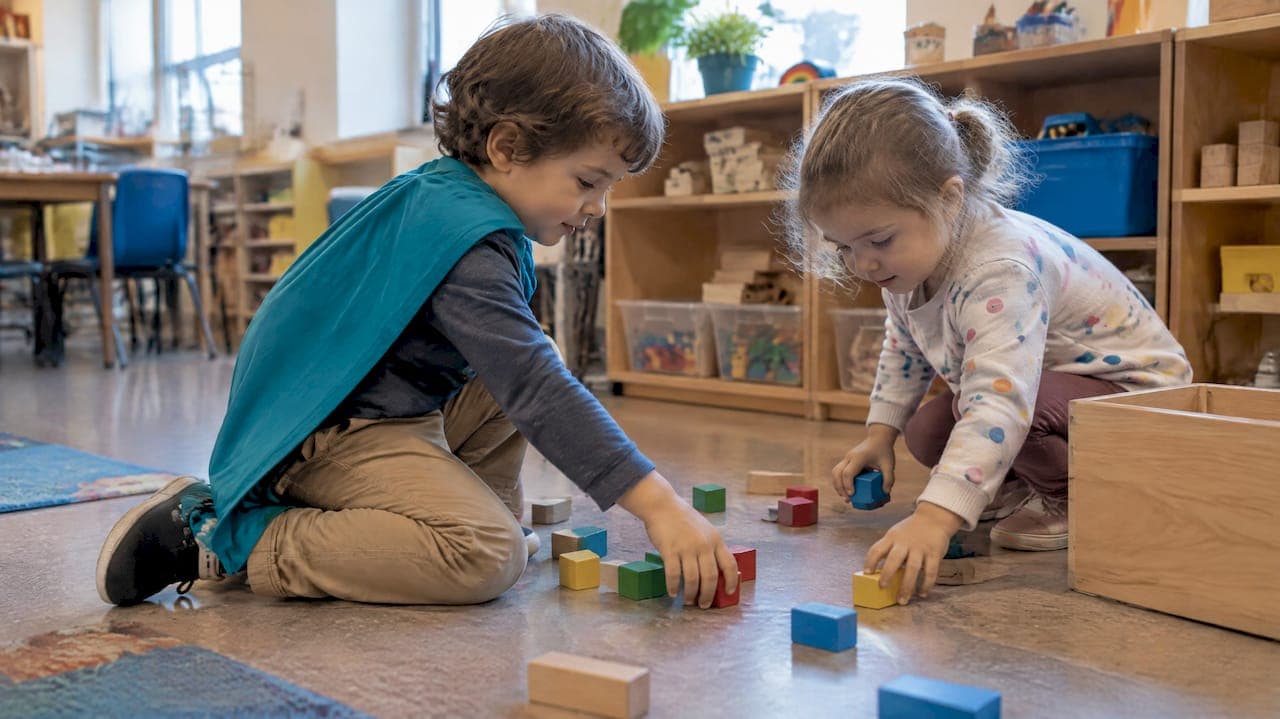
This article is a ready-to-use list of low-prep superhero pretend play ideas that spark imagination, active movement, and kindness in young children. We pulled together activities that work at home or in a classroom, drawing on guidance from NAEYC and HealthyChildren.org, plus a few prompts inspired by our work at G45-hero-cast. Expect movement games, rescue missions, crafts, storytelling prompts, and one audio-based option for independent play.
TL;DR:
- Toddlers do best with 2 to 5 minute missions and close adult help; preschoolers can manage 10 to 20 minutes with two or three steps.
- Reframe fighting as rescue, assign rotating roles such as planner and rescuer, and pause play when it becomes too physical.
- Before movement games, clear loose rugs, mark boundaries, keep younger children close, and check outdoor equipment for heat or unsafe landing surfaces.
- Children with sensory sensitivities may prefer soft jersey capes and skip glitter or scratchy trim; adults should stay nearby during active play.
- A prerecorded mission briefing can help a child play independently while an adult supervises nearby, especially when caregiver attention is split.
Table of Contents
- 1. Twelve Superhero Pretend Play Ideas You Can Start Today
- 2. Why Pretend Play Builds Real Skills
- 3. Props and Setup That Take Minutes, Not Hours
- 4. Adjusting Missions for Toddlers Through Early Elementary
- 5. Keeping Superhero Play Cooperative and Inclusive
- 6. Movement Games That Build Gross Motor Skills
- 7. Three Quick Costume and Craft Projects
- 8. Origin Stories and a Three-Day Mini Plan
- 9. A Quick Safety Checklist for Active Play
- 10. What the Research Says About Superhero Play
- What Screen-Free Superhero Play Means for Family Time
- A Screen-Free Way to Extend the Mission
- FAQ
- Sources
1. Twelve Superhero Pretend Play Ideas You Can Start Today
These activities need little setup and work for a single child, a sibling pair, or a full classroom.
- Kindness Hero Mission: Materials: paper, crayons. Steps: write three "kind acts" on slips of paper, hide them around the room, and send your hero to find and complete each one. Benefit: builds empathy and reading recognition.
- Neighborhood Helper Patrol: Materials: stuffed animals, small wagon or basket. Steps: stuffed animals "call for help," hero delivers them to a designated safe zone. Benefit: encourages sequencing and responsibility.
- Training Academy: Materials: couch cushions, painter's tape. Steps: set up three stations (balance, jump, stretch), hero completes each before earning a badge. Benefit: supports gross motor planning.
- Rescue Relay: Materials: two buckets, soft balls or stuffed toys. Steps: carry one "rescue item" at a time from start bucket to finish bucket, racing a timer or a partner. Benefit: builds coordination and turn-taking.
- Shadow Hero Theater: Materials: flashlight, blank wall or sheet. Steps: dim the lights, cast shadow shapes, narrate a short rescue story using hand shapes as villains or obstacles. Benefit: strengthens storytelling and quiet focus.
- Puppet Rescue Show: Materials: socks, markers. Steps: draw a face on a sock, invent a mini mission, perform a short puppet show for a stuffed audience. Benefit: develops language and narrative sequencing.
- Power Gem Hunt: Materials: bottle caps or buttons, tape. Steps: hide "power gems" around a room or yard, hero collects them to "charge up" before the next mission. Benefit: supports gross motor skills and persistence.
- Obstacle Course Rescue: Materials: cushions, string or tape "lasers." Steps: crawl under lasers, balance across a cushion path, jump the final gap to reach a trapped toy. Benefit: builds body awareness and motor planning.
- Villain Freeze Tag: Materials: none. Steps: one player is the "villain" who freezes others with a touch, heroes unfreeze teammates with a high-five. Benefit: reinforces cooperation over competition.
- Secret Identity Dress-Up: Materials: everyday clothes, a cape or scarf. Steps: child picks a "disguise," practices switching between regular self and hero self during a short skit. Benefit: supports role-taking and self-regulation.
- Mission Control Walkie-Talkie: Materials: two paper cups and string, or real toy walkie-talkies. Steps: one child gives mission instructions from "base," the other carries them out. Benefit: builds listening and verbal instruction skills.
- Audio Mission Prompt: Materials: a phone or tablet recorder. Steps: record a mission briefing ahead of time, press play, and let your hero carry out the mission independently while you supervise nearby. Benefit: supports independent play and listening comprehension.
- Animal Powers Lab: Materials: picture books about animals. Steps: pick an animal, brainstorm its "superpower" (strength, speed, camouflage), act it out during a short mission. Benefit: connects pretend play to early science thinking.
- Rainy Day Blanket Fort HQ: Materials: blankets, chairs. Steps: build a hero headquarters, plan the next mission from inside, "deploy" when ready. Benefit: supports planning and spatial reasoning.
- Rotate who leads the mission each round so every child gets a turn as the planner.
- Keep each session short for younger kids and let older kids extend missions into multi-day stories.
2. Why Pretend Play Builds Real Skills
Pretend play supports language development, social skills, and role-taking, and it works best when children help choose their own props and costumes, according to Healthychildren. Superhero themes add an extra layer because the "mission" framing gives children a reason to cooperate instead of compete.
- Reframing "fighting" as "helping" shifts the play toward collaboration instead of conflict.
- Giving each child a role (planner, rescuer, messenger) builds turn-taking and verbal skills.
One classroom approach built around developing origin stories and team-based missions reduced conflicts over who got to be the hero and broadened the range of play themes, moving children away from simple chase games toward more complex, cooperative storylines.
3. Props and Setup That Take Minutes, Not Hours
A few household items cover most of these activities: an old scarf or pillowcase for a cape, cardboard for a mask or badge, bottle caps for "power gems," and paper plates for faces. None of this requires a sewing machine or a craft store trip.
- No-sew cape: cut a rectangle from an old pillowcase, tie it around the shoulders with ribbon or a shoelace.
- Paper-plate mask: cut eye holes in a paper plate, punch two side holes, thread yarn to tie it on.
- Indoor obstacle course: line up cushions for balance, tape "laser" strings between chair legs, mark a finish line.
- Outdoor version: swap cushions for a jump rope path and use sidewalk chalk to mark mission zones.
Pro Tip: Pre-cut capes and masks the night before so transitions between craft time and play time stay smooth.
4. Adjusting Missions for Toddlers Through Early Elementary
Toddlers do best with very short missions, about 2 to 5 minutes, heavy adult involvement, and one simple step at a time. Preschoolers can handle 10 to 20 minute missions with two or three steps and less hand-holding. Early elementary kids can plan their own multi-step missions and often enjoy inventing rules for younger siblings to follow.
- Toddlers: one-word mission names ("rescue," "find"), adult narrates most of the action.
- Preschoolers: two to three step missions, adult offers prompts but lets the child lead.
- Early elementary: child-designed missions, adult available but mostly observing.
- Always keep an adult nearby during active movement games, regardless of age.
5. Keeping Superhero Play Cooperative and Inclusive
Adults often read superhero "fighting" as aggression, but reframing those same scenarios as missions to help or save someone can shift play toward collaboration instead of conflict.
- Open with a chant: "Heroes assemble, missions today!" to signal play has started.
- Rotate roles each round: "You're the planner this time, you're the rescuer."
- Hand out a "mission card" naming each child's job before play begins.
- When two kids want to be the same hero, offer a team name: "Why not be Thunder Twins?"
- If play gets too physical, call a "mission pause" and reset the goal together.
- End with a debrief: "What did your team rescue today?"
An origin-story week, where each child invents a name, power, and reason for helping others, shifts the focus from fighting to rescuing and gives every child a reason to work with, not against, classmates.
Pro Tip: Join the play as a teammate who takes orders, not as the director who hands them out.

6. Movement Games That Build Gross Motor Skills
Superhero missions give kids a reason to crawl, balance, and jump, which supports the same gross motor skills kids build during ordinary active play like tag or follow the leader.
- Laser crawl: string yarn between furniture legs, hero crawls under without touching.
- Balance beam rescue: walk a taped line or low cushion row carrying a "rescue item."
- Jump the canyon: place two towels a short distance apart, hero jumps across.
- Villain tag: one player tags others "frozen," teammates unfreeze with a gentle touch.
- Shade check for outdoor play: hot playground equipment and unsafe landing surfaces are common hazards worth checking before active outdoor games, so test slides and metal surfaces before kids use them.
- Offer a slower lane or untimed version so every child can join regardless of ability.
7. Three Quick Costume and Craft Projects
- No-sew cape: cut a rectangle from an old pillowcase or fabric scrap, round the top corners, tie around the shoulders with ribbon.
- Paper-plate mask: cut eye holes, punch two side holes, thread yarn or elastic through, decorate with crayons or stickers.
- Cardboard hero badge: cut a shield or star shape, decorate with markers, attach a safety pin or string to wear.
Making costumes builds fine motor skills and gives children a chance to plan their hero's identity before the mission even starts. For sensory-sensitive kids, swap stiff fabric for soft jersey material and skip glitter or scratchy trim.
8. Origin Stories and a Three-Day Mini Plan
Building an origin-story unit encourages children to invent names, powers, and motivations, which pulls play away from repetitive chase scenes and toward more layered storytelling.
- "What's your hero's name and where did their power come from?"
- "What's one thing your hero is afraid of?"
- "Who does your hero help first?"
- "What does your hero's cape or symbol mean?"
A simple plan: invent a name and powers, design a mission and gather props, then perform or record the mission for family. Try tying in animal-based powers or simple physics ("why does the cape billow?") to connect play with early STEAM thinking. Recording the final mission as an audio clip gives kids something to replay later.
9. A Quick Safety Checklist for Active Play
A few checks before active missions begin keep energetic play safe without slowing it down.
- Clear the play space of furniture corners and loose rugs.
- Check outdoor surfaces and equipment for heat or damage before use.
- Keep water nearby during active outdoor missions.
- Mark clear boundaries for running or jumping games.
- Assign an adult spotter for any balance or jumping move.
- Watch for overheated metal slides and uneven landing zones outdoors, since hot surfaces and unsafe landing areas are common playground hazards.
- Use a calm signal, like a raised hand, to pause risky behavior immediately.
- Keep younger children within arm's reach during climbing or running missions.
10. What the Research Says About Superhero Play
Classroom-based approaches that build origin stories and assign team roles tend to broaden play themes and ease conflict over hero roles, rather than narrowing play to chase-and-capture routines, based on the NAEYC write-up on superhero play.
- Reframe "fight" as "rescue" or "mission" from the very first prompt.
- Use origin-story prompts before diving into open-ended play.
- Rotate hero roles so no single child dominates the storyline.
- Try an audio mission prompt for independent play when adult attention is split.
For more structured story starters, our kindness-themed superhero stories make a quick bedtime add-on to any mission above.
What Screen-Free Superhero Play Means for Family Time
I think the best superhero play happens when adults step back and let kids invent the mission instead of handing them a script. A cardboard badge and a two-minute rescue story do more for a child's imagination than most screens ever will. Try one idea from this list tonight, and if you want more audio-based prompts, our audio learning guide has a few worth exploring.
— JG
A Screen-Free Way to Extend the Mission
If your household wants a recurring prompt without planning a new mission every week, our weekly personalized superhero podcasts at G45-hero-cast give each child an audio adventure built around their own name, age, and interests. We offer this as one more tool alongside the ideas above, not a replacement for pillow-fort rescue missions or paper-plate masks.
- Bedtime Standard: a weekly personalized episode delivered to a private podcast feed, $99 USD per month.
- Grandparent Gift: a full year of weekly personalized episodes, $999 USD per year, a nice option for grandparents who want to stay part of story time from a distance.
For families who enjoy a scripted, narrative experience together, some also like exploring structured kits such as interactive mystery experiences for older kids and family game nights, though those run on a different format than our audio episodes. Check plan details and get started on the G45-hero-cast landing page.
FAQ
What are some unique superhero pretend play ideas?
Beyond the classic cape and mask, try an audio mission prompt where a short recorded briefing sends your hero on an independent task, or a shadow-puppet theater using just a flashlight and a wall. Origin-story weeks, where kids invent their own hero name and powers, also open up less common storylines than typical chase games.
What are some creative superhero activities for the classroom?
Classroom teachers can turn tag into a cooperative "villain freeze" game where heroes unfreeze teammates instead of competing against them. Assigning rotating roles, like planner, rescuer, and messenger, during a mission also keeps the whole group engaged rather than letting one child dominate the hero role.
What are some creative superhero projects for kids?
A no-sew cape made from an old pillowcase, a paper-plate mask with cut eye holes, and a cardboard badge are simple projects that can double as warm-ups before pretend play begins. These crafts also build fine motor skills since kids cut, decorate, and tie their own pieces together.
What are some fun activities for a superhero party?
An obstacle course rescue mission works well for groups, with balance beams, "laser" crawls, and a final jump to save a stuffed toy at the finish line. A group origin-story circle, where each guest invents a quick hero identity, also gives everyone a role before the games start.
How can audio prompts support independent superhero play?
A short recorded mission briefing lets a child start and carry out a pretend-play scenario without needing constant direction from an adult. This works well for solo play moments or when a caregiver needs a few minutes to supervise from nearby rather than lead directly.