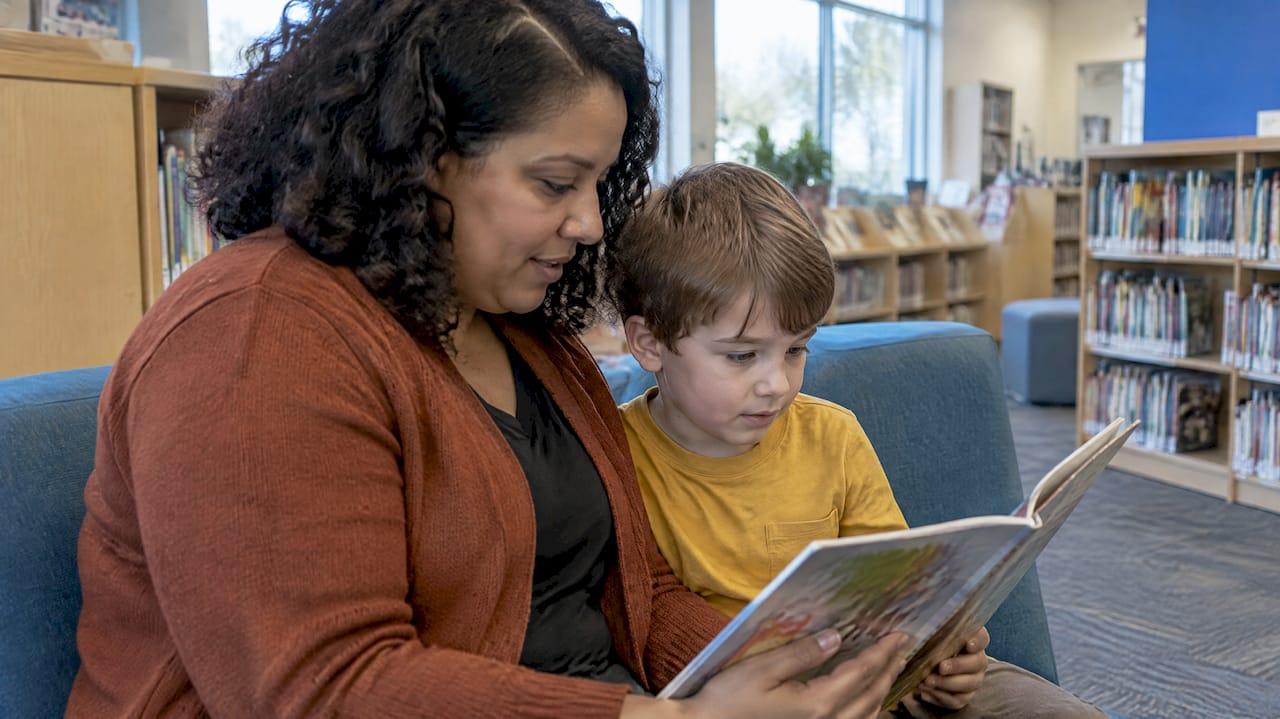
The best growth mindset story for a child between 4 and 9 is one in which the hero struggles, gets frustrated, tries a different way and improves, and the child sees themselves in that hero. Our weekly superhero podcasts are built on that idea: each episode stars your child, uses their name, interests and traits, and lets them practice bravery, patience and persistence through an adventure of their own. Below you will find what a growth mindset means at this age, how to pick a story that fits, what to ask afterward, and how to avoid the common trap of praising effort while ignoring feelings.
TL;DR
- Growth mindset for young children means believing they can learn, practice and grow, and that mistakes and breaks are part of learning.
- A story teaches this best when the hero struggles, pauses, changes approach and succeeds, rather than simply never quitting.
- Stories land harder when the child is the hero. Our weekly personalized superhero podcast puts your child at the center of every adventure.
- After a story, ask open questions such as "What else could you try?" and name the feeling before pushing the child to try again.
Table of Contents
- What growth mindset means for a 4 to 9 year old
- Why stories work better than explanations
- The story that fits best: one starring your child
- What a good growth mindset story contains
- Matching the story to your child's age
- Questions to ask after the story
- Avoid the two common mistakes
- Building a weekly habit around growth mindset stories
- A story you can tell tonight
- Our perspective
- Start your child's first episode
- FAQ
- Sources
What growth mindset means for a 4 to 9 year old
Grown-ups often explain growth mindset with abstract language about brains and potential. A six-year-old needs something simpler: "I can't do it yet, but I can learn."
PBS KIDS for Parents describes it as approaching a task believing you can learn, practice and grow. That includes understanding that learning takes time, perseverance and patience, and that mistakes, breaks and trying a different approach are all part of the process. The same page suggests sharing stories about a child's own progress and about the times adults had to learn something hard.
That last point matters. Young children rarely absorb a lesson from a lecture. They absorb it from a character they care about who goes through something similar. Stories give a child a safe place to feel the wobble of failing without any real-life cost.
Why stories work better than explanations
A story lets a child live through a struggle from the inside. They feel the character's frustration, watch a mistake happen, and see what comes next. By the time the adult asks, "What would you do?", the child already has a picture to draw from.
There are three reasons this works at ages 4 to 9:
- Repetition is welcome. Children ask for the same story again and again, and each replay rehearses the same pattern: problem, struggle, new idea, progress.
- Emotions come with the plot. A character who throws their pencil and then takes a walk shows a child that big feelings are normal and survivable.
- The ending is safe. The child gets to see that effort leads somewhere before they have to risk their own.
The effect is strongest when the child sees themselves in the lead role. That is why we write each episode around the listener rather than around a generic character.
The story that fits best: one starring your child
Most families start with picture books, and that is a fine habit. But a book's hero is someone else, and a child has to translate the lesson to their own life. In a personalized story, the translation is already done.
Every episode we make is individually written and produced to weave in the child's real details, such as their name, interests, age and unique traits. It goes well beyond dropping a name into a generic script. If your seven-year-old is scared of the swim test, the superhero version of them can face a challenge with the same shape: nervous start, a slip, a pause, a new technique and a win they earned.
A few things make this format useful for growth mindset in particular:
- The child is the one who improves. In a story with a fixed hero, the child watches growth. In their own episode, they are the one growing.
- It arrives weekly. Mindset shifts through repetition, and a new episode every Sunday gives the lesson a rhythm. Our guide to weekly stories for kids explains how to build that routine.
- It is audio. Episodes come to a private podcast feed, so there are no screens at bedtime and no pictures competing with the child's imagination. For more on that, see our piece on screen-free imagination podcasts.
If you want to see how superhero storytelling can carry a real lesson, our article on educational superhero stories walks through how a story can teach without feeling like school.
What a good growth mindset story contains
Whether you read a book, tell a story at bedtime or play an episode, look for the same ingredients. The PBS KIDS guidance points to themes of practice, patience, perseverance, accepting mistakes, taking breaks and tackling problems in different ways.
A real struggle
A hero who succeeds on the first try teaches nothing. The story needs a problem that is hard for this character, and it needs to stay hard for more than one attempt.
Honest frustration
The Storyline Online activity guide for The Most Magnificent Thing lists perseverance, resilience, problem-solving, creativity and imagination as its themes. In the story the girl fails repeatedly and becomes angry, then takes a walk and returns with renewed enthusiasm. The pause is not a failure. It is part of the method.

This is worth stressing to children: the lesson is not "never stop." It is that stepping away and returning with a fresh idea is often what solves the problem. A children's librarian writing about the book makes the same point about pausing and changing your thinking.
A change in approach
The hero should try something different, not just try harder. "What else could I do?" is the question that separates a growth mindset from plain stubbornness.
A modest win
The best endings are not a trophy. In The Girl Who Never Made Mistakes, which Sourcebooks lists for ages 4 to 8, the lesson comes after a public mistake: life is more enjoyable when mistakes are accepted. Small, believable progress is more convincing to a seven-year-old than a grand victory.
Matching the story to your child's age
A story that is too simple bores a nine-year-old. One that is too intense can overwhelm a four-year-old. Here is a practical way to think about it.
| Age | What works | Growth mindset angle |
|---|---|---|
| 4 to 5 | Short plots, one clear problem, a repeated phrase the child can say along | "Not yet" and trying again |
| 6 to 7 | Clear problem and solution, relatable settings such as school, friends and sports | Learning from a mistake, asking for help |
| 8 to 9 | Higher stakes, characters who make poor choices, a less tidy ending | Strategy, patience, courage to try something new |
This is a rule of thumb from our own experience of writing for this age group, not a developmental standard, so trust what you know about your own child. The simplest test is to read the first few pages or listen to the first minute together and see whether they lean in.
With personalized episodes, the age is built in. We tailor each story to the child's age as well as their name and interests, so a nine-year-old and a five-year-old in the same family get different adventures. Siblings can each have their own episode as well, which helps when an older child scoffs at the baby stories.
For a younger brother or sister under 4, screen-free storytelling ideas for toddlers can keep the whole family in the same habit.
Questions to ask after the story
The story opens the door. The conversation afterward is where the child ties it to their own life. Keep it short and curious, never a quiz.
PBS KIDS for Parents suggests these prompts for a child who is stuck:
- "What have you tried so far?"
- "What else could you try?"
- "Can you think of another way?"
The same organization's reading guide, PBS KIDS Read!, recommends open-ended questions during and after a story, such as "What would you do if this happened to you?" and "Why do you think the character made this decision?" Afterward you can ask about a favorite part, why it mattered and what feelings the story brought up. For older children it suggests asking what they would change.
Retelling helps as well. The University of Florida Lastinger Center's parent tip sheet explains that asking a child to retell a story supports comprehension, story elements, oral language and sequencing. It suggests asking what happened, why the character acted as they did, what the problem was and how it was solved. For younger children, pictures or props make retelling easier.
Put those together and you have a short script for the car ride or the bedtime hug:
- "What was hard for the hero today?"
- "What did they try first? What happened?"
- "What did they try next?"
- "Is there something hard for you right now that could use a new idea?"
The fourth question is the one that matters. Do not push for an answer. Sometimes "I don't know" is the beginning of one.
Avoid the two common mistakes
Praising effort and ignoring feelings
It is easy to turn growth mindset into "just keep trying." A child who is upset does not need a slogan. PBS KIDS for Parents advises adults to acknowledge the frustration, explain that everyone makes mistakes, and offer a break before trying again rather than rushing the child.
Psychology Today contributor Robyne Hanley-Dafoe takes a similar line, recommending that adults validate feelings, normalize setbacks and encourage flexible thinking. Her phrase "I know you can do hard things" comes after the disappointment is named, not instead of it.
In story terms, this means the best episodes include a moment where the hero admits they are upset. Then comes the pause, then the plan.
Turning the story into a lesson plan
If every bedtime story ends with a moral and a quiz, children learn to dodge the conversation. Let the story be a story. Ask one question, or none, and let the idea work on its own. Children often bring it up days later, usually at an unexpected moment.
Building a weekly habit around growth mindset stories
One story will not change how a child handles failure. A pattern will. Here is a simple weekly rhythm that fits most families:
- Sunday: The new episode arrives. Listen together, or let the child listen alone at bedtime and ask about it the next day.
- Midweek: Mention the hero's challenge when your child hits a similar one. "This sounds like your episode. What did the hero try?"
- Next Sunday: A new adventure, a new challenge, the same habit of curiosity.
Our article on alternatives to bedtime stories covers other ways to refresh the routine, and our guide to resilience stories by age, with prompts goes deeper on perseverance. If your child's issue is more about self-belief than stamina, try our list of confidence building stories.
A story you can tell tonight
You do not need a subscription to start. Tell your child a short story with this skeleton:
- Name the hero (your child) and give them a power linked to something they love.
- Give them a task that is hard: a tower of blocks that keeps falling, a song they cannot yet play, a race they come last in.
- Let the first two tries fail in a way that is funny or frustrating.
- Have the hero feel it, say it out loud, and take a break.
- Have a new idea arrive during the break. It works, but not perfectly.
- End on pride in the learning, not the result.
It takes three minutes. Children usually ask for it again, usually with changes. That is the best sign you got it right.
Our perspective
We started writing personalized stories because we saw how differently a child listens when the hero has their name and their dog and their love of dinosaurs. A character who is "like" them is nice. A character who is them is a different experience.
For growth mindset, that difference matters. A child can nod at a book about a rabbit who learns to swim and still feel quite sure that they themselves are not a swimmer. When the story says it is their own hero self who tried, slipped, rested and tried a new way, the idea has somewhere to land.
That is why we write each episode individually, and why our goal is quality family time as well as excitement every week. A story that is waiting in the feed on Sunday gives a parent or grandparent an easy way in: listen together, ask one question, and let the hero's example do the work.
JG
Start your child's first episode
Every Sunday, we deliver a new superhero podcast starring your child to a private podcast feed sent to the email you give us. The story reflects their name, interests, age and traits, and it is entirely screen-free. Plans are monthly or annual and cover siblings and gifts as well.
The Bedtime Standard plan is $99 per month. The Grandparent Gift plan is $999 per year, made for grandparents who want a child's week to start with their own hero story. You can choose either on our subscription page. If evenings are the hard part, our piece on making evenings fun with personalized stories shows how families fit the episode into the routine.
FAQ
What is a growth mindset story?
It is a story in which a character learns that ability grows with practice, patience and new strategies. The hero struggles, makes mistakes, takes breaks and tries again in a different way. The best ones also let the hero feel frustrated first, so the child sees that big feelings and progress can go together.
At what age can children understand growth mindset stories?
Children as young as four can follow the idea of "not yet" in a short, simple plot. By ages 6 to 9 they can handle richer ideas such as strategy, asking for help and courage in the face of a hard task. Our episodes are written for ages 4 to 9 and tailored to the individual child's age.
How often should I read or play growth mindset stories?
Regular is better than frequent. A weekly new story with a short chat gives the lesson time to sink in, and children often bring it up on their own during the week. Many families pair a Sunday episode with a mid-week reminder when their child meets a real challenge.
What should I say if my child gets upset when something is hard?
Name the feeling first, for example "This is really frustrating." Then remind them that everyone makes mistakes and offer a break, as PBS KIDS for Parents advises. When they are calm, ask "What else could you try?" and connect it to the hero in a story you have shared.
Can grandparents give growth mindset stories as a gift?
Yes. Our Grandparent Gift plan is $999 per year and gives a grandchild a personalized superhero episode each week. It lets a grandparent take part in the child's week from any distance, and the family can listen together.
Sources
- PBS KIDS for Parents: "I Can Do It...With a Little Practice"
- PBS KIDS Read!
- University of Florida Lastinger Center: Ask Your Child to Retell the Story
- Storyline Online: The Most Magnificent Thing activity guide
- Children's Library Lady: The Most Magnificent Thing activities
- Sourcebooks: The Girl Who Never Made Mistakes
- Psychology Today: How to Promote and Foster Resiliency in Children
- Storytelling ideas for toddlers