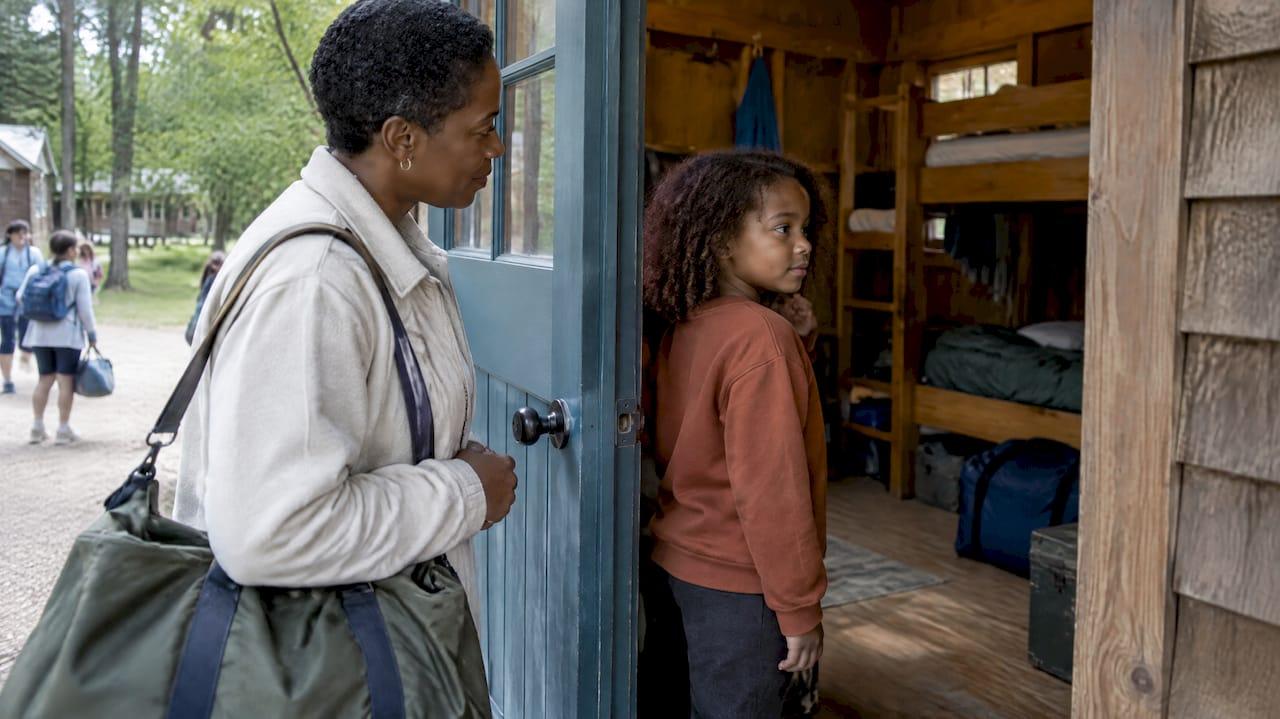
Homesickness at sleepaway camp is common, and it is usually manageable. Most of the work happens before your child leaves: practicing nights away, talking about camp in a calm and upbeat voice, and agreeing on a plan with the camp. Once your child is there, short letters about camp life and a confident goodbye help more than rescue phone calls. This guide is for parents and grandparents of children ages 4 to 9, and it covers what homesickness looks like at that age, how to prepare, what to say, and when to bring in the camp director.
TL;DR
- Homesickness is normal. About 90 percent of young people feel some sadness when away from home, and most cases ease within a day or two.
- Prepare early: overnight stays with relatives or friends, a say in packing, and a few simple coping skills your child can name.
- Keep drop-off short, warm and calm. Children mirror the adults around them.
- Write letters about camp activities, and avoid suggesting phone calls or making pick-up deals.
- If crying, poor eating or poor sleep last several days in a row, talk to the camp director.
Table of Contents
- What homesickness looks like at ages 4 to 9
- Before camp: build the skills early
- Drop-off day
- While your child is away
- Normal adjustment or time to step in?
- Our perspective
- Homesickness stories for kids
- Make the weeks before camp a ritual
- A weekly adventure that stars your child
- FAQ
- Sources
What homesickness looks like at ages 4 to 9
Homesickness is distress caused by being separated, or expecting to be separated, from home and from the people and objects that make a child feel secure. The American Academy of Pediatrics describes it as acute longing and preoccupying thoughts of home. In young children it can look like tears and withdrawal, or it can come out as acting out.
The symptoms vary widely. Children's health specialists in Canada list a range from mild, brief longing to crying, anger, anxiety, feelings of hopelessness, headaches, stomachaches, sleep problems and pulling away from other kids.
At 4 to 9, children often can't say "I miss home." They say their tummy hurts, they can't sleep, or they don't want to join the game. Those complaints are worth taking seriously, and they are also very often the way homesickness shows up at this age.
How common is it?
The American Psychological Association reports that roughly 90 percent of young people feel some sadness away from home. About 20 percent have moderate to severe homesickness, and about 7 percent have levels that get in the way of functioning. So if your child struggles, they are in very large company. Camp staff see it every session.

Before camp: build the skills early
The best time to help with homesickness is weeks before the bus leaves. The AAP advises involving children in decisions, giving explicit coping instructions, and helping them get to know the new environment before they go.
Here is how that looks for a young child.
- Practice nights away. The YMCA suggests arranging overnight stays with friends or relatives. A weekend at a grandparent's house is a perfect rehearsal, and grandparents are well placed to run it.
- Let your child help pack. Choosing a stuffed animal, a pillowcase from home or a family photo gives a 6 year old a sense of control.
- Get familiar with the place. The American Camp Association recommends talking positively about camp and visiting or attending an open house so your child meets the setting and staff ahead of time. Look at the camp's photos together if a visit isn't possible.
- Teach two or three coping moves. Keep them concrete: take three slow breaths, hug your stuffed animal, tell your counselor "I'm missing home," write a note to us after rest time.
- Talk through the hard moments. If your child is very worried, Psychology Today contributors suggest walking through tricky scenarios in advance and brainstorming solutions. "What could you do at bedtime if you feel sad?" works better than "Don't worry."
Watch your own tone
The AAP notes that parents should stay neutral or optimistic about the separation, because anxious or ambivalent messages can make a child's homesickness worse. That means no "I'm going to miss you so much, I don't know how I'll cope." Save that for a friend. To your child, say "You're going to have such a good week, and I can't wait to hear about it."
If you think your child is at risk of severe homesickness, the same guidance says to tell the adults caring for them. A quick note to the director or the cabin counselor before camp starts is a good habit.
Anxious kids need a little more runway
If your child already gets nervous at sleepovers or new situations, start the practice earlier and make each step a little longer. Parents dealing with wider worries may find strategies for youth anxiety helpful as a starting point, and your pediatrician can point you to local support if worry feels bigger than camp.
Our own pieces on calming anxious kids at bedtime with screen-free audio and on a practice sleepover at home give you low-prep ways to rehearse nights in a calm, familiar routine.
Drop-off day
Drop-off sets the tone. The YMCA advises that you introduce your child to their counselor, model confidence, and avoid suggesting phone calls. Children's Mercy adds that staying calm and positive matters because kids mirror parents' reactions, and that a brief, warm goodbye shows you trust your child to cope.
A simple drop-off script:
- Walk your child to the cabin and meet the counselor together.
- Help make the bed and place the comfort item.
- Give one hug and one line, such as "I love you, have fun, I'll write you tomorrow."
- Leave. Long goodbyes and returning "one more time" tend to make tears bigger.
If you're tearful in the car afterward, that's fine. Just keep it out of the goodbye.
While your child is away
Write about camp, not about missing home
Letters are one of the best tools you have. Keep them upbeat and focused on camp. Ask about the lake, the craft, the cabin friends. The YMCA recommends encouraging letters about camp activities. Share home news lightly. Skip things like "The dog is sad without you" or "We're so lonely."
A few ideas that work for ages 4 to 9:
- Include a drawing or sticker sheet a younger child can add to.
- Ask one question your child can answer with a single word in their reply.
- Grandparents can send their own letters. A note from Grandma about her first camp week is a gentle way to normalize the feeling.
Don't make pick-up deals
A promise like "If you're still sad on Wednesday, I'll come get you" can turn each hour into a countdown to rescue. Decide ahead of time, with the camp, how a tough stretch will be handled, and keep that plan between the adults.
Ask directly, with the camp's help
It feels risky, but the AAP found that asking a child directly how homesick they have been feeling during a routine check-in helps adults support them, and it does not make symptoms worse. Counselors can do this at bedtime or after meals.
Normal adjustment or time to step in?
Most homesickness fades in a day or two as the schedule fills up and friendships form. The APA says that more serious signs include incessant crying and trouble eating and sleeping for several days in a row. If you see that pattern, decide in advance how you will handle it and talk with the camp director.
| What you hear or see | Likely meaning | What to do |
|---|---|---|
| Sad at bedtime, fine by morning | Common adjustment | Keep letters upbeat and let the routine work |
| Tearful for a day or two, then joining in | Normal, easing | Check in with the counselor |
| Stomachaches or headaches with no clear cause | Can be a homesickness sign | Tell the nurse and the director |
| Crying, poor eating or poor sleep for several days | Needs more support | Call the director and agree on a plan |
| Severe distress that doesn't improve | May need professional help | Talk with the director and your child's pediatrician |
The AAP's academic review notes that severe homesickness may fit an adjustment disorder with mixed anxiety and depressed mood and tends to worsen if left untreated. That is the reason to speak up early and not wait. A pediatrician or child mental health professional is the right person to assess a child whose distress doesn't ease.
Our perspective
We make weekly superhero podcasts for children ages 4 to 9, so we spend a lot of time thinking about what children need to feel brave away from the people they love.
What we notice is that a child copes better when they can picture themselves handling the hard moment. A story where "you" are the hero, with your name, your interests and your own worries, gives a child a rehearsal that a pep talk can't. Each of our episodes is written individually around the child's real details, not a generic script with a name dropped in.
That is why we think a story about a hero who misses home, takes a breath and finds a friend is a good fit for the weeks before camp. It is also screen-free, so it fits a quiet evening with a parent or grandparent. It gives you something to talk about together, and the talking is the real prize.
Our goal is to give families more quality time and to give each child something to look forward to every week.
JG
Homesickness stories for kids
Books and stories give young children words for a feeling they can't yet explain. Child Mind Institute's lists include a few that fit camp worries:
- What Will I Do If I Miss You? by Melissa T. Shultz (ages 3 to 5). Child Mind Institute says it models a positive way to manage separation anxiety, with a boy who touches his heart and imagines his mother with him.
- The Invisible String by Patrice Karst (ages 3 to 8). It can help children visualize a connection to caregivers even when apart.
- Ruby Finds a Worry by Tom Percival (ages 4 to 8). The same list recommends it for helping children see worry as common and manageable.
After reading, ask open questions. "What would you do if you felt like Ruby at camp?" lets your child plan in their own words. You can also build the rehearsal into a personalized story. Our guides to confidence-building stories, resilience stories by age and gentle superheroes for sensitive kids include prompts you can use tonight.
What about divorce stories?
Parents sometimes search for divorce stories alongside camp stories because both involve separation worries. The feelings can look alike, with clinginess, stomachaches and trouble sleeping, but the situations differ. At camp, the separation is temporary and your child returns to the same home and the same people. In a divorce, home itself is changing, and a child may need ongoing reassurance, not just a coping plan for one week.
A story can open the conversation in either case, but if your family is going through a divorce, talk with your child's pediatrician or a child therapist about support. Be especially careful about timing, so a first camp stay doesn't land in the middle of the hardest weeks without a plan with the camp staff.

Make the weeks before camp a ritual
Try a simple routine for the two or three weeks before camp. Read or listen to a short story at bedtime. Name one coping move. Let your child pack one item. Reviewing the plan in the same calm voice each night shows your child that the feeling is expected and that they have tools.
After camp, listen more than you fix. Ask what was hard and what was fun. A child who got through a rough night has something to be proud of, and that pride is useful for the next new thing, such as a school year. Our piece on kindergarten transition stories shows how the same approach carries over.
A weekly adventure that stars your child
If you want a screen-free way to practice bravery together, we create a personalized superhero podcast every week for children ages 4 to 9. Each episode is written around your child's name, interests, age and traits, and arrives every Sunday in a private podcast feed.

The Bedtime Standard plan is $99 per month, and the Grandparent Gift plan is $999 per year, so a grandparent can send a new adventure all year long, including the weeks leading up to camp. See the plans at G45 Hero Cast.
FAQ
Is it normal for a child to be homesick at camp?
Yes. The APA reports that about 90 percent of young people feel some sadness when away from home. Most feelings ease within a day or two as the schedule fills up and friendships form.
Should I call my child at camp if they are homesick?
It's best not to suggest calls. The YMCA advises sending encouraging letters about camp activities and avoiding suggesting phone calls. If you are worried, contact the camp director, who can check on your child and follow the plan you agreed on.
When should I worry about sleepaway camp anxiety?
Watch for incessant crying and problems eating or sleeping for several days in a row. The APA says to decide in advance how you'll handle it and talk to the camp director. If distress continues after camp, ask your pediatrician for guidance.
Is my child too young for sleepaway camp?
There is no single age. Readiness depends on your child, the camp's program and how much practice your child has had with nights away. Try overnights with relatives first and talk with the camp about its youngest campers and how it supports them.
Sources
- Preventing and Treating Homesickness, Pediatrics (American Academy of Pediatrics)
- Homesickness at summer camp, American Psychological Association
- Homesickness, AboutKidsHealth
- Getting Your Child Ready for Their First Overnight Camp, YMCA
- Homesickness Dos and Don'ts for Parents Preparing for Camp, American Camp Association
- How to Send Your Anxious Child to Sleepaway Camp, Psychology Today
- Ways to handle homesickness, Children's Mercy
- The Best Children's Books About Mental Health, Child Mind Institute
- Top Children's Books About Mental Health, Child Mind Institute
- Youth anxiety in California: Key strategies for parents